In the fast-paced world of Custom Rubber manufacturing, things are really heating up! The industry is on track for some serious growth, fueled by new innovations that meet a wide range of consumer needs. A recent market report fromSmithers Pira predicts that the global rubber market could hit around $500 billion by 2025, and tailored manufacturing solutions are playing a big role in driving that expansion. As companies focus more on personalized products and sustainability, bespoke rubber manufacturing becomes more important than ever—it’s like the secret sauce for tackling these market demands.
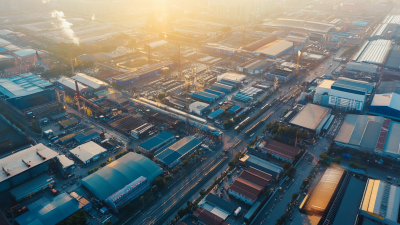
Take Dongguan SKY Rubber Technology Co., Ltd., for example. They’ve been around since 1999 and really know their stuff. With a massive factory covering over 46,000 square meters and a team of 500 people, they’re definitely a major player in mainland China. What’s pretty impressive is their focus on innovation, not just locally but also in places like Hunan province and Ho Chi Minh City, Vietnam. As demand for custom rubber solutions grows across industries—from cars to everyday consumer products—the need for specialized manufacturing will only get stronger. In this article, we’ll take a look at the top ten trendsshaping bespoke Rubber Production in 2025. We’ll explore the new innovations pushing the industry forward and see how companies likeDongguan SKY Rubber are staying ahead of the curve in this rapidly changing market.
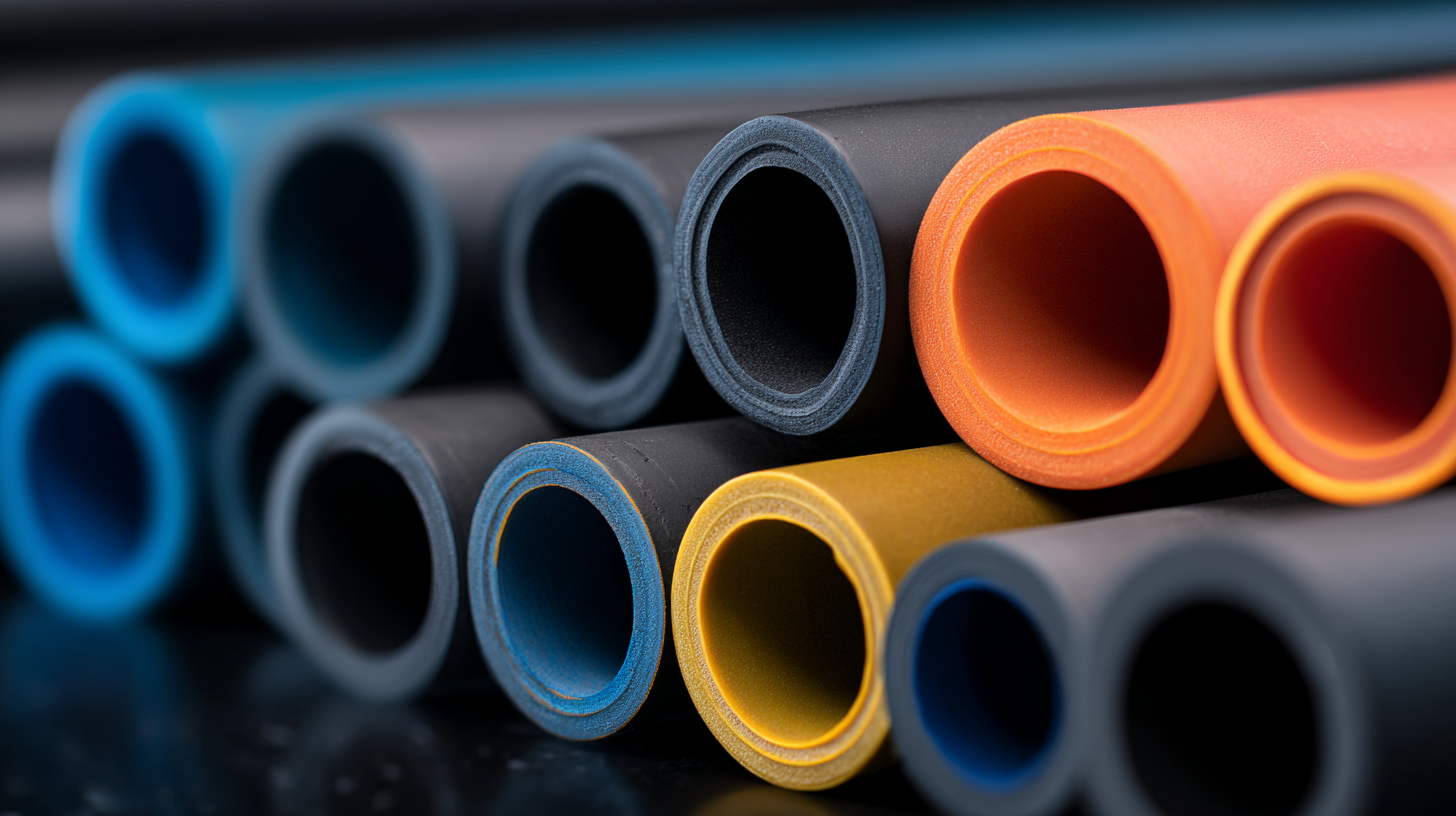
Trends in Sustainable Materials for Bespoke Rubber Manufacturing
In recent years, sustainable materials have emerged as a key focus in bespoke rubber manufacturing, reflecting a growing commitment to environmentally friendly practices within the industry. Companies are increasingly exploring innovative alternatives to conventional Rubber Products, aiming to reduce their ecological footprint while enhancing product performance. This trend is especially significant as the global elastomers market, driven by advancements in material science, has begun to embrace bio-based and recycled materials. This shift not only meets consumer demand for sustainable products but also aligns with broader regulatory pressures advocating for greener manufacturing processes.
Dongguan SKY Rubber Technology Co., Ltd. is at the forefront of this transformation, leveraging advanced manufacturing techniques and sustainable practices to produce high-quality rubber solutions. Established in 1999 with a substantial factory footprint in China, SKY Rubber is expanding its operations, including a branch in Hunan and a facility in Vietnam, to better serve a global market increasingly focused on sustainability. By integrating innovative materials and promoting recycling initiatives, the company is contributing to a more sustainable future for the rubber industry while driving significant growth.
Advancements in Automation Technologies in Rubber Production
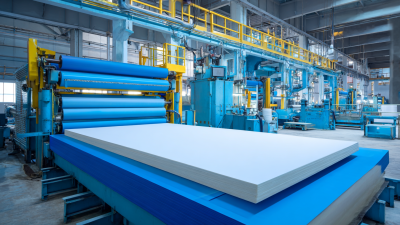
The landscape of bespoke rubber manufacturing is undergoing significant transformation, primarily driven by advancements in automation technologies. According to a recent industry report by Grand View Research, the global rubber market is projected to reach over $500 billion by 2025, with automation playing a critical role in this growth trajectory. Automated production processes, including robotic systems and AI-driven analytics, enhance efficiency, reduce lead times, and improve product quality, allowing manufacturers to meet the increasing demand for customized rubber products.
Integrating automation in rubber production not only streamlines operations but also reduces labor costs and minimizes human error. A study from the International Rubber Study Group indicates that factories employing advanced robotics have seen up to a 30% decrease in operational costs. Additionally, automation enables real-time monitoring of production processes, driving continuous improvement and fostering innovation. As the industry moves towards Industry 4.0, manufacturers who leverage these cutting-edge technologies are better positioned to adapt to market fluctuations and client specifications, paving the way for a new era in bespoke rubber manufacturing.

The Role of Customization in Meeting Client Demands
Customization plays a pivotal role in the bespoke rubber manufacturing industry, responding to the increasingly diverse needs of clients across various sectors. As businesses seek solutions that align with their unique specifications, the demand for tailored rubber products has surged. This movement towards personalization allows manufacturers to implement advanced technologies and innovative processes, further enhancing product quality and functionality. By leveraging tools such as 3D printing and computer-aided design (CAD), manufacturers can rapidly prototype customized solutions, significantly reducing lead times and costs.
Moreover, the emphasis on customization enables companies to forge stronger relationships with their clients. By actively engaging with customers to understand their specific requirements, manufacturers can develop products that not only meet but exceed expectations. This collaborative approach fosters loyalty and enhances brand reputation, positioning businesses to thrive in a competitive landscape. As industry trends evolve, the integration of customer feedback into the design process will likely become a cornerstone of growth, driving further innovation in bespoke rubber manufacturing.
Emerging Applications of Smart Rubber in Various Industries
The emerging applications of smart rubber are poised to revolutionize various industries by enhancing product performance and enabling new functionalities. With advancements in technology, manufacturers are introducing smart rubber materials that can respond to environmental stimuli, such as changes in temperature, pressure, or moisture levels. These innovative materials are finding applications in sectors such as automotive, aerospace, and healthcare, where precision and reliability are paramount.
As the global market for carbon black, a crucial component in rubber manufacturing, is projected to grow significantly, the focus on sustainable and intelligent solutions intensifies. The trend toward "Green + Intelligent" manufacturing practices not only supports environmental goals but also enhances operational efficiency. Events like CHINAPLAS 2025 will be instrumental in showcasing these innovations, providing a platform for industry leaders to explore the latest developments in smart rubber technologies and their applications. This journey marks a transformative phase in the rubber industry, driving growth and expanding opportunities for businesses worldwide.
Innovative Techniques for Enhancing Rubber Durability and Performance
The advancement of bespoke rubber manufacturing is significantly tethered to innovative techniques that enhance rubber durability and performance. One such technique includes the incorporation of lignin as a reinforcing filler, which presents a cost-effective alternative to traditional carbon black. Lignin, being an abundant biopolymer, not only improves mechanical properties but also contributes to the sustainability of rubber products. This innovation aligns with recent studies showcasing the use of alternative materials to enhance the resilience and longevity of rubber formulations.

Moreover, the implementation of high-volume rubber replacement in construction materials, such as in geopolymer concrete, highlights the versatility of rubber in diverse applications. Research indicates that various treatment methods can optimize performance, offering robust solutions that extend the life of infrastructure. Such advancements reflect the ongoing commitment of companies like Dongguan SKY Rubber Technology Co., Ltd. to leverage innovative materials and techniques in developing products that meet the growing demands for durability and efficiency in the rubber industry.
Future Challenges and Opportunities in Bespoke Rubber Manufacturing
The bespoke rubber manufacturing industry is poised for significant growth, driven by a combination of innovation and the need to address emerging challenges. As companies strive to meet the evolving demands of diverse sectors, including automotive, healthcare, and consumer goods, there is an increasing emphasis on sustainability and customization. However, the transition to more eco-friendly materials and practices presents a dual challenge: maintaining profitability while also diminishing environmental impact.
Moreover, the global landscape for rubber manufacturing is shifting due to external pressures such as fluctuating raw material costs and supply chain disruptions stemming from recent global events. This necessitates a strategic focus on resilience and adaptability in production processes. Companies must leverage advancements in technology, such as automation and data analytics, to streamline operations and anticipate market trends. By addressing these challenges head-on, bespoke rubber manufacturers can explore new opportunities for growth while ensuring their offerings align with the future needs of consumers and industry standards.
2025 Top 10 Trends in Bespoke Rubber Manufacturing
This chart illustrates the importance scores of the top 10 trends in bespoke rubber manufacturing for 2025. Each trend is evaluated on a scale from 1 to 10, indicating its potential impact on industry growth and innovation efforts.
FAQS
: Smart rubber materials are innovative substances that can respond to environmental stimuli such as changes in temperature, pressure, or moisture levels, enhancing product performance and enabling new functionalities.
Smart rubber applications are being developed in various industries, including automotive, aerospace, and healthcare, where precision and reliability are critical.
The trend towards "Green + Intelligent" manufacturing practices is influencing the rubber manufacturing industry, focusing on sustainable and intelligent solutions that enhance operational efficiency and support environmental goals.
The global market for carbon black is projected to grow significantly, which is crucial for rubber manufacturing, emphasizing the need for sustainable and intelligent material solutions.
The bespoke rubber manufacturing industry faces challenges like the need for sustainability and customization, fluctuating raw material costs, and supply chain disruptions.
Bespoke rubber manufacturers can adapt to market changes by leveraging advancements in technology, such as automation and data analytics, to streamline operations and anticipate market trends.
Events like CHINAPLAS 2025 serve as platforms for industry leaders to showcase innovations in smart rubber technologies and explore the latest developments in the industry.
Sustainability is emphasized in rubber manufacturing to meet the evolving demands of diverse sectors while also aiming to diminish environmental impact.
Customization is significant in rubber manufacturing as it allows companies to cater to the specific needs of various industry sectors, enhancing their competitiveness and relevance in the market.
By addressing current challenges and embracing innovation, bespoke rubber manufacturers can explore new opportunities for growth and ensure their offerings align with future consumer and industry standards.
Conclusion
The article "2025 Top 10 Trends in Bespoke Rubber Manufacturing: Innovations Driving Industry Growth" highlights key advancements shaping the future of the bespoke rubber sector. It emphasizes the increasing focus on sustainable materials, showcasing how eco-friendly innovations are becoming integral to manufacturing processes. Additionally, the piece discusses the role of automation technologies, which enhance efficiency and precision in production, while also addressing the growing demand for customization to meet diverse client needs.
Moreover, the article explores emerging applications of smart rubber in various industries and innovative techniques that improve rubber durability and performance. As the landscape of bespoke rubber manufacturing evolves, it identifies future challenges and opportunities that manufacturers, including Dongguan SKY Rubber Technology Co., Ltd., must navigate to maintain competitiveness and drive growth in this dynamic market.