Get a custom solution for free
- Phone
- E-mail
- Whatsapp
- Wechat

In recent years, the demand for Plastic Moulded Parts in various industries has grown tremendously. As per MarketsandMarkets report, the global plastic injection molding market is expected to reach USD 341.8 billion by the year 2024, growing at a CAGR of 5.8% during the forecast period of 2019-2024. This increase can be attributed to the demand for parts that are lightweight, durable, and economical in the sectors such as automotive, consumer goods, electronics, and healthcare. These parts have sustainable processing methods on them due to the reduced amount of waste and modern design methods, previously unattainable by any traditional means, deserved by the industries.
And the manufacturing field must await these Plastic Moulded Parts, where, at Dongguan SKY Rubber Technology Co., Ltd., we realize. Established in 1999 and occupying a large factory that extends over 46,000 square meters and employs 500 skilled workers, the company has become a leader in the very innovative field. A branch manufacturer is in Hunan province, and the company has a factory in Ho Chi Minh City, Vietnam, combining to serve the ever-increasing demand for quality moulded parts. This blog provides a thorough examination of the unique benefits and applications of Plastic Molded Parts, showcasing their potential to increase efficiency and innovation across multiple industries.
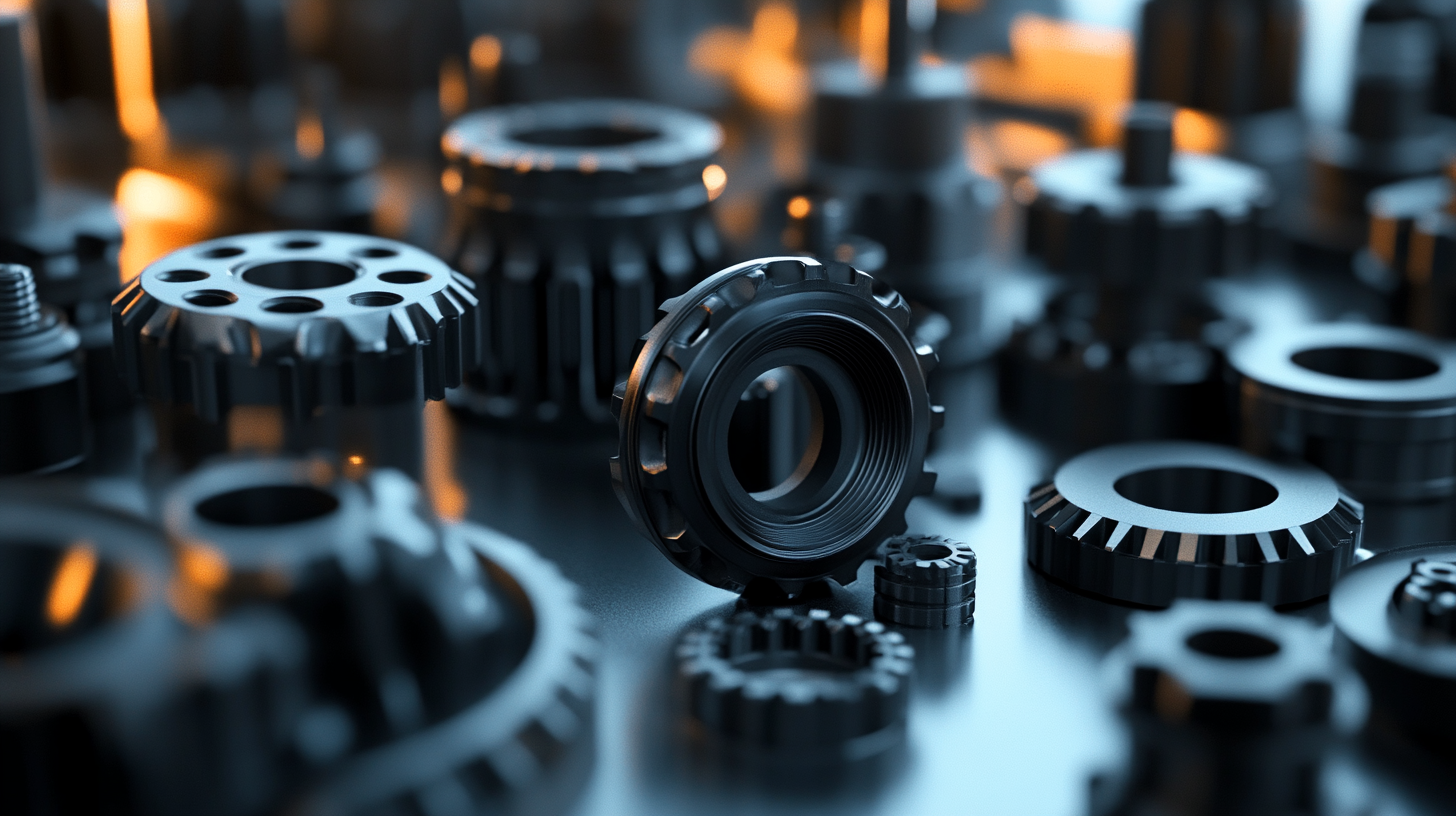
Plastic molded components are parts that have relevance in practically all industries and have varied applications due to their versatility, durability, and cost-effectiveness. This part is formed by heating the plastic till it is pliable and forcing it into a mold to avoid solidifying. As a result, most parts attract precision shapes and geometries from something that will be incorporated in an automotive interior to medical devices. Plastic molded parts are not just normal parts for using them; rather, they take a significant role in evolving manufacturing technology into more sustainable manufacturing technology. As the mill continues to shape the \"green\" technology the industrial world and individuals soon hunger for from time, innovations using recycled composites in making plastic parts have started surfacing. An illustration of these is when manufacturers used to find waste product to develop green materials, like electric bicycle hubs for this study. It produces waste but utilizes available material to produce high-performance components. The growth plan of the global market for plastic processing machinery in the next decade promises a brighter future for plastic molded parts. Most companies are innovating new ideas to maximize production efficiency and minimize the adverse environmental impact of manufacturing processes. In time, plastic molded parts will find their way into modern-day manufacturing practices. As industries develop, these components will become more significant with wider and better possible applications and will promote innovative solutions with an allusion to the sustainability agenda.
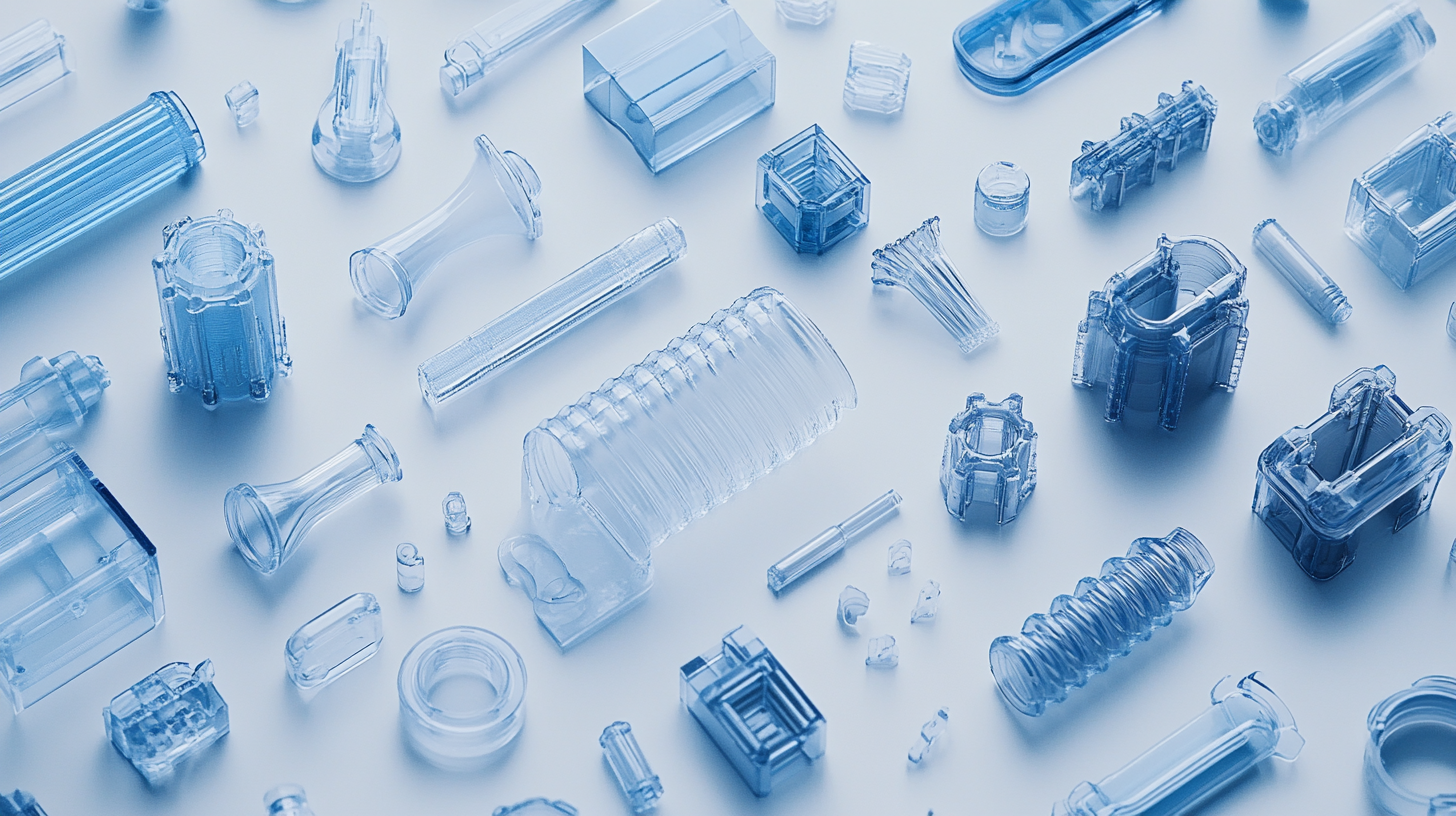
The growing uptake of plastic moulded parts by different industries has contributed immensely to increased operational efficiencies and enhanced product quality. The automotive industry is probably one of the key sectors where this development has taken root, with an exemplary reliance on moulds of more than 90%. Such dependence stresses that plastic moulded components are central to the reduction of cycle time in the manufacturing process; production costs; and safety standards.
Various discussions at the annual Mould Forming Equipment and Automotive Parts Manufacturing Technology and Market Conference reaffirmed the view that organic integration of the industry chain and supply chain is taking on special meaning for the automotive sector in China. As per Qin Ke, Executive Vice President and Secretary-General of the China Die & Mould Industry Association, local moulds manufacturing is vital for the sustainability of the automotive industry in China. Advanced plastic moulding technologies allow manufacturers to produce complex components with the contemporary high specifications for durability and performance.
Further, the plastics are good for moulded parts in electronics, consumer goods, and healthcare fields. These parts support intricate design possibilities, lightweight construction, and low-cost, otherwise sustainable manufacturing. While modern plastic moulding keeps undergoing innovations, a great deal in efficiency and product differentiation worldwide remains supported by its growth.
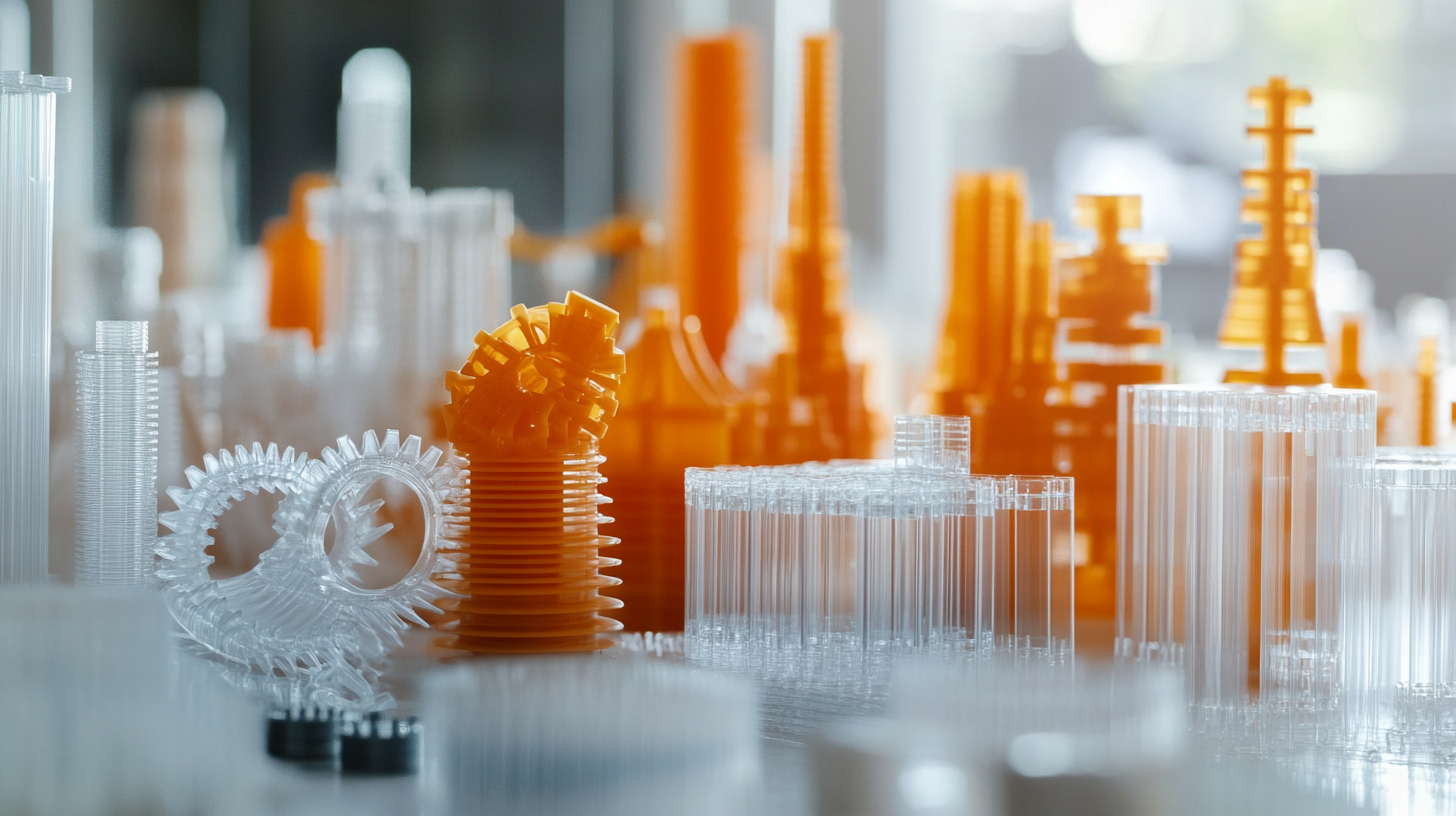
Various industries are now switching to plastic moulded parts in record numbers because of the advantages they provide over conventional materials like metals or wood. One highlight of these advantages is their lightweight property. According to Research and Markets, plastics weigh only 50% of what steel would weigh, saving a substantial amount of energy while transportation and manufacturing. Thus, the weight advantage allowed the manufacturer to make lighter products for better fuel efficiency of the automotive and aerospace industries.
This cost-effectiveness is another strong reason to use plastic moulded parts. The Plastics Industry Association study notes that production costs would be lowered by as much as 30% when using plastics as opposed to metals and other materials. This reduction is mainly due to lower material costs and a faster production schedule, since plastic moulding processes are designed for high-volume runs. Industries such as consumer goods, where cost and speed to market weigh heavily, benefit from these characteristics immensely.
Other than that, plastic moulded parts allow for greater design flexibility. Traditional materials cannot match the intricate shapes and complex geometries typically achievable in plastic moulding, whether injection or blow moulding. Allied Market Research points out that advancements in moulding technology open applications from medicine, where custom medical devices are produced, to electronics, where lightweight housings and components are becoming common. With this, plastic moulded parts can really challenge traditional materials across sectors.
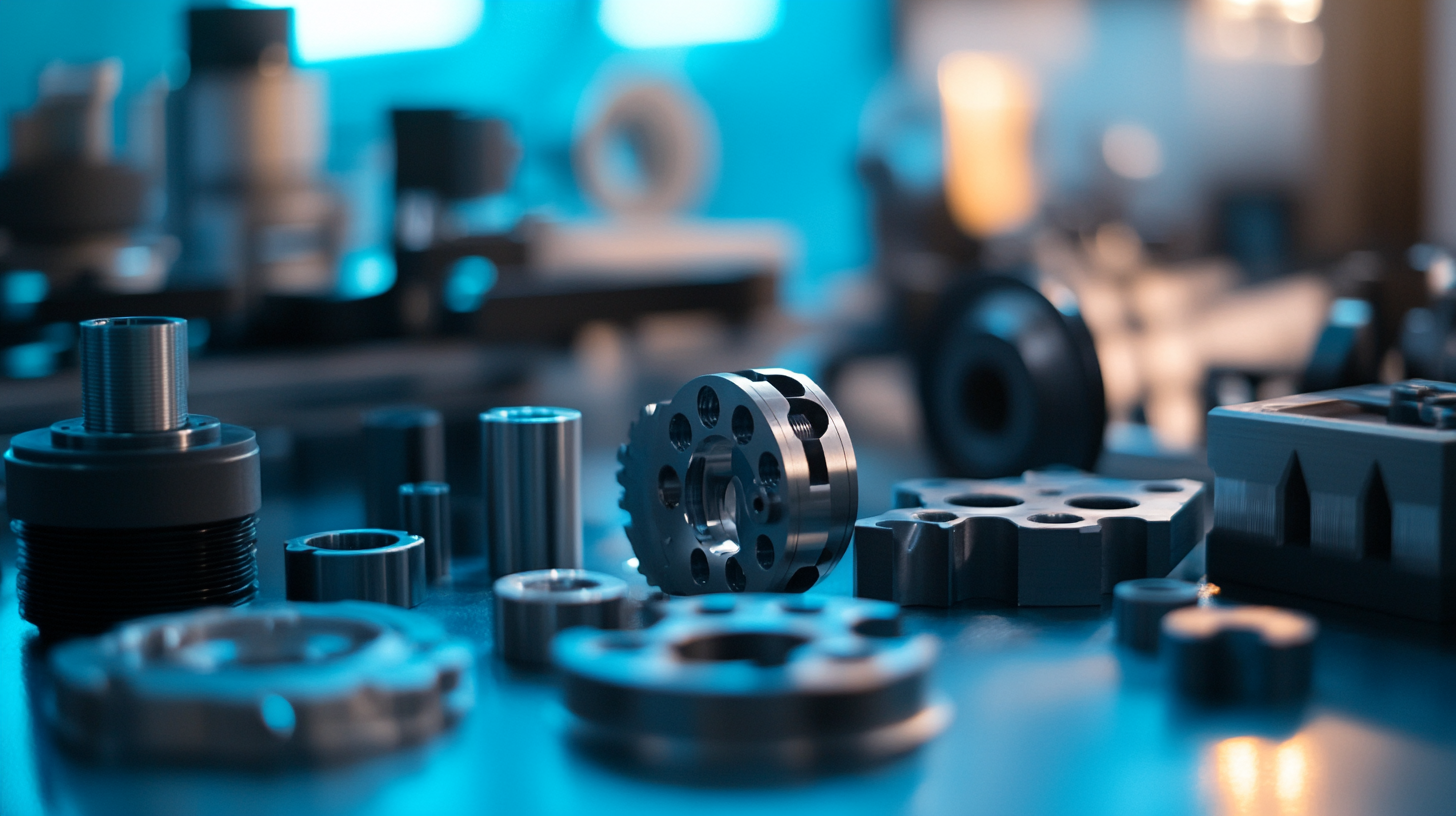
Lightweight and very strong, they are ideally suited to parts such as dashboards, interior fittings, and even structural elements. In addition, plastic moulding is versatile, which allows for the design of complex forms and functions that were impossible with metals and traditional materials. The advanced moulding technologies are put to use by manufacturers to obtain such complex shapes that can serve ornamental ends beside functional ends in vehicle design.
In addition, the contribution of plastics in the automotive industry is a big step towards sustainability. Most automobile manufacturers are now making use of recyclable plastics or bio-based polymers with less potential harmful impact while providing high-performance quality. This would not only be able to meet the consumers' demands for greener products but also follow newer regulations on emissions and recyclability. Plastic has an important role in reaching the overall goals of weight reduction and improved efficiency-fuel economy, which are vital trends in the industry today.
Not only weight savings, but also functions like reducing noise and insulating against heat find their applications in plastic moulded parts. These qualities are most desirable in a modern vehicle which establishments to produce a really quiet and comfortable ride. By using plastic moulded parts, designers can provide their optimum experience of driving in his or her vehicle while maintaining safety. With the advancing pace of the automotive world, the innovative applications of plastic moulded components would, to a larger extent, expand into areas that involve building road transports required for modern lifestyles with high environmental standards.
Now, the plastic moulding industry has taken several giant steps toward the goal of making the industry sustainable. Most companies have embraced the concept of eco-friendly practices and eco-friendly materials. Coming to the environmentally responsible production methods is due to a realization of environmental awareness regarding the negatively affecting plastic waste. Hence, manufacturers are now looking for a wide variety of sustainable materials such as bio-based plastics, recycled polymers, and even biodegradable options that can bring a drastic reduction in their carbon footprint while producing products of high quality.
The adoption of inclusive recycled-loop recycling arrangements is one of the most significant environmentally friendly practices in plastic molding. Relying on this system, a manufacturer recycles scrap back into production, thus reducing waste and conserving raw materials. These are some ways these companies can improve efficiency while becoming more environmentally conscious. The process of adopting energy-efficient machinery and processing technology makes it possible to reduce emissions of greenhouse gases all associated with the entire production of plastic, thus making it more environmentally sustainable.
It is another condition for promoting the initiatives of eco-friendliness that are the collaboration between industry players. It shares knowledge through the partnership and inspires innovations to create comprehensive solutions for performance and eco-friendliness. Together, they also promote sustainability and create accountability in the industry, which pushes everyone involved towards greener practices. Because of the rising demand of the sustainable products in the market, the plastic moulding industry is set to bring the change that will wave way into the industry on how plastics are perceived and used.
Today, the abode of rapid changes brings with it a revolution in the industries in terms of customizing plastic molded parts-an essential requirement for satisfying market needs. With the increasing demand for efficiency and specialization among industries, apart from giving benefits of unparalleled advantages, tailored plastic components can be made for several applications to suit performance enhancement with reduced costs and optimized production. For its example take the automotive industry-it needs custom moulding parts for using lightweight and more durable components coupled with fuel efficiency and safety.
That versatility in plastic also enables manufacturers to incorporate original designs that fit the aesthetic and practical values across sectors. Take consumer electronics, for example; custom moulded plastic parts have more enhanced ergonomics and provide scope for intricate detailing to satisfy the modern-day user preference. With more collaboration between the manufacturer and consumers, an effort is made to ensure that just about every component meets technical standards, and at the same time, it satisfies consumer preferences too.
It also involves speeding up time-to-market for the design and rapid prototyping of customized plastic-molded parts, thus keeping the businesses ahead in an increasingly dynamic market scenario. It supports highly regulated medical devices, innovative household items, or whatever other application-related specialty, and it solves a small number of problems while considering sustainable methodologies because of this flexibility. This aspect makes plastic molded parts valuable across a wide range of industries as they push innovation and growth.
With sustainability and efficiency gaining increasing importance across industries, the future of plastic moulding technology is also at stake. As the world's awareness of environmental problems increases, industries are aggressively pursuing innovative solutions that reduce waste and promote the use of eco-friendly materials. Recent advancements in injection moulding techniques have led to large-scale manufacturing processes operating with utmost efficiency and precision, thereby contributing to the sustainable development goals of companies across the world.
Sustainable materials, as they have emerged, have influenced the actual development of plastic applications, especially in packaging. The shift toward recyclable materials not only satisfies environmental requisites but also opens its doors to lucrative market opportunities. The increased demand for sustainable packaging solutions driving growth in the global corrugated plastic board market stands witness to this trend, which reflects a larger wave of innovation creeping through industries attempting to make their production process less harmful in terms of materials while improving their performance.
Recycling technologies could redefine the field of plastic moulding. Eco-friendly new processes targeting the recycling of composite materials will not only minimize waste but advance sustainable manufacturing practices. Today implementation of such technologies is under consideration as part of production operations, and this will dramatically influence the future of plastic production and waste management by encouraging a circular economy model in which the resources are reused, thereby lessening the environmental consequences.
The production of plastic injection-molded components faces many challenges for the designing and manufacturing industries to retain unique benefits. One major challenge is assuring product quality at all times. According to a MarketsandMarkets report, the global plastic injection molding market is projected to be worth USD 341.2 billion by 2025. Manufacturers need to enforce stringent quality measures in order to meet this increasing demand, thereby minimizing defects and achieving uniformity in the final product.
Environmental implications are another major challenge regarding plastics being made and discarded. The World Economic Forum states that over 300 million tons of plastic are produced annually, with a huge portion finding its way into landfills or oceans. To counter the situation, various companies are going in for sustainable substitutes, for example, biodegradable plastics and recycling methods to change waste plastics into reusable materials. Adopting these environment-friendly initiatives helps minimize the impact on the environment and also improves the marketing acceptance of any company with an increasing focus on ecology.
Furthermore, the rapid technological advancement presents the plastics molding sector with challenges as well as opportunities. Automation and advanced manufacturing practices will greatly enhance efficiency and reduce production costs. However, this might involve a considerable investment in technology and workforce training. A report by Grand View Research indicates that smart manufacturing is expected to proliferate at an annual growth rate of 12.4% between 2023 and 2030, hence highlighting the need for industries to adapt quickly to remain competitive.
Eventually, by melding technological advancement and innovative solutions to tackle those challenges, companies may optimize the plastic molded parts production and thus act in line with greater sustainability objectives and market needs.
Key industries include automotive, electronics, consumer goods, and healthcare, all of which benefit from improved operational efficiency and product quality through the use of plastic moulded parts.
The automotive industry relies on moulds for more than 90% of its manufacturing processes, highlighting the critical role of plastic moulded components in this sector.
Plastic moulded parts are lighter, cost-effective, and offer superior design flexibility compared to traditional materials like metal and wood.
The use of plastic components can reduce production costs by up to 30%, primarily due to decreased material costs and shorter production times.
Innovations in plastic moulding technology focus on reducing waste, utilizing eco-friendly materials, and incorporating recycling technologies, promoting sustainability in manufacturing.
Key trends include a focus on sustainability, advancements in recycling technologies, and the emergence of recyclable materials in packaging, which drive new market opportunities and lower environmental impact.
Their lightweight nature (about 50% lighter than steel) significantly reduces energy consumption during transportation and manufacturing processes, leading to improved fuel efficiency.
Local manufacturing of moulds is crucial for sustaining growth within China's automotive industry, allowing manufacturers to produce high-demand, durable components.
Growing consumer awareness and demand for environmentally friendly options are driving industries to innovate and produce recyclable materials for packaging applications.
By facilitating sustainable manufacturing practices and enabling a circular economy, new recycling technologies will redefine waste management and reduce environmental impacts associated with plastic production.