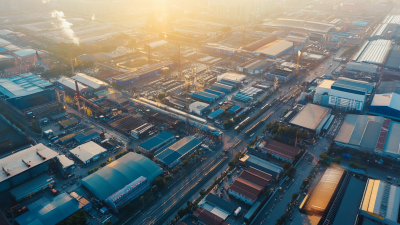
You know, there's been a huge uptick in demand for sustainable materials across various industries lately. It's like everyone’s finally waking up to the benefits of using eco-friendly alternatives instead of sticking with the usual products. 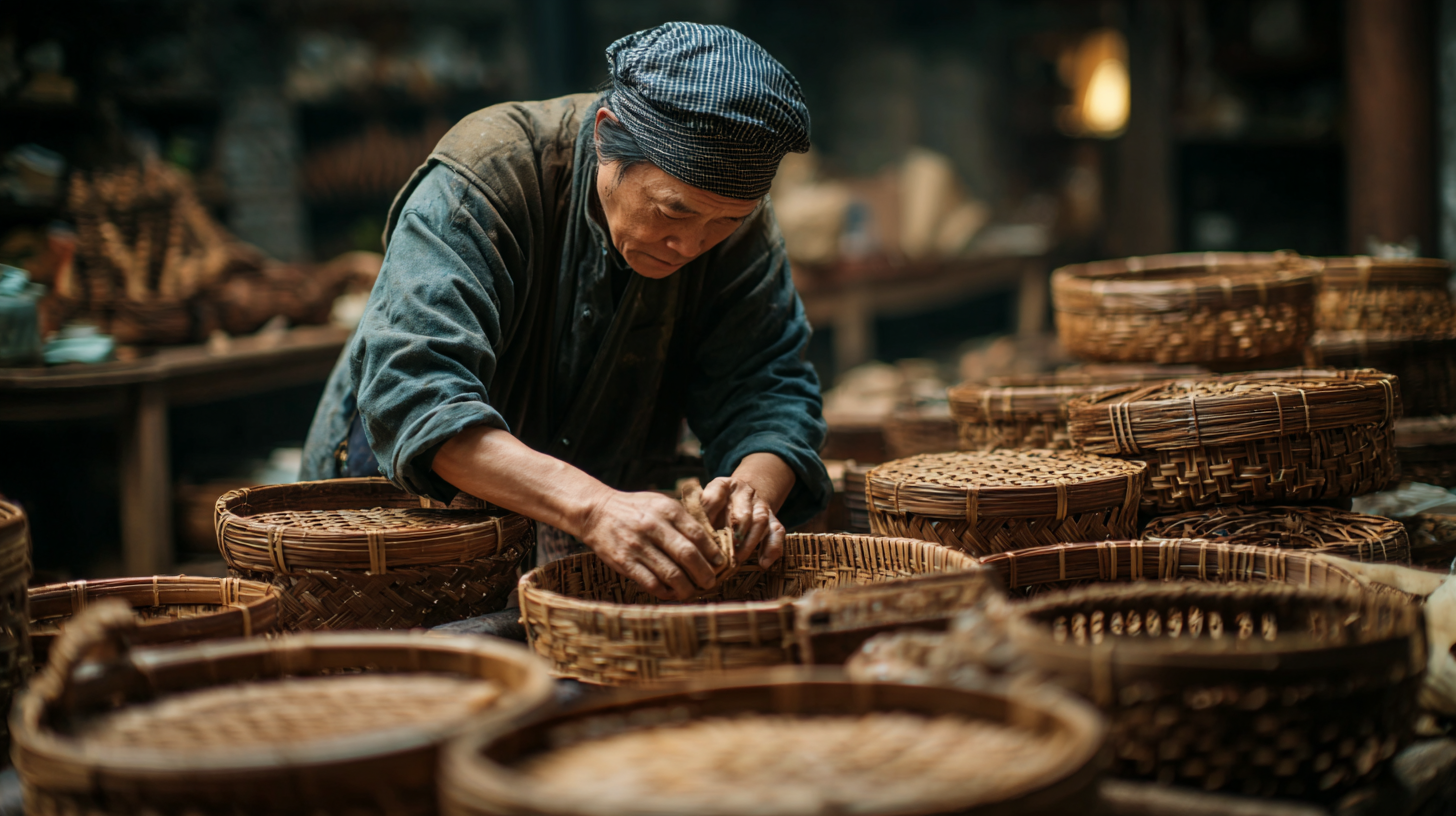 Take Sky Rubber, for instance. This company, which kicked off back in 1999, is really making waves in this whole transformation. They've got an impressive 46,000 square meters of factory space in China and a team of around 500 folks—plus, they've got operations in Hunan province and Ho Chi Minh City, Vietnam. So, they're definitely in a good spot to help out with sustainable sourcing! According to a recent report, the global market for eco-friendly materials is expected to hit a staggering $150 billion by 2028. That really puts the pressure on manufacturers to start adapting, right? So, as we dive into the different types of eco-friendly products out there, let’s explore how companies like Sky Rubber can really make the most of these alternatives in their production while also being responsible to the environment.
The Importance of Sustainable Materials in Rubber Production
You know, the whole rubber production business has been tangled up with environmental issues for quite some time—think deforestation and chemical pollution. With the demand for rubber on the rise, it’s becoming super important to find sustainable options in this field. Not only does sustainable rubber sourcing help protect biodiversity, but it also means that the ways we produce it don’t end up harming our ecosystems. Making this switch to eco-friendly materials isn’t just nice to have; it’s crucial for keeping our planet healthy and ensuring the Rubber Industry sticks around for the long haul.
One interesting alternative to traditional rubber is synthetic rubber made from renewable resources, like plants! How cool is that? Plus, there are exciting innovations happening too, like bio-based polymers and eco-friendly production methods that are really gaining traction. These alternatives can cut down the carbon footprint linked to rubber production and help lower harmful emissions and waste. By making sustainable materials a top priority, manufacturers can kick-start a circular economy, where resources get reused and waste is kept to a minimum. In the end, embracing sustainable practices in rubber production isn't just a passing fad—it’s something we absolutely need for future generations.
Exploring Eco-Friendly Alternatives to Best Sky Rubber for Sustainable Sourcing - The Importance of Sustainable Materials in Rubber Production
| Alternative Material | Source | Sustainability Rating | Biodegradability | Cost Comparison |
| Natural Rubber | Hevea brasiliensis tree | High | Yes | Moderate |
| Bamboo Rubber | Bamboo plants | High | Yes | Lower |
| Sustainable Synthetic Rubber | Recycled materials | Medium | No | Comparable |
| Guayule Rubber | Guayule plant | High | Yes | Higher |
| Coconut Rubber | Coconut husk | Medium | Yes | Lower |
Innovative Eco-Friendly Alternatives to Traditional Rubber
You know, in the past few years, there's been a real push to find alternatives to traditional rubber. It’s pretty cool because a lot of innovative, eco-friendly solutions are popping up that are not just sustainable but also really effective. One of the most promising options out there is natural latex, which comes from sustainably managed rubber tree plantations. This stuff is great because it helps cut down our dependency on synthetic materials while also boosting biodiversity and giving local economies a much-needed lift. And then there are these exciting plant-based materials like dandelion latex or guayule, which are super handy because they can grow in dry areas, using way less water and having a lesser environmental impact.

So, if you’re thinking about diving into these eco-friendly options, here are a few tips: First off, always try to go for products that are from certified sustainable sources — it really helps ensure your purchase is supporting practices that are good for the planet. Next, check out companies that are open about how they source their materials and make their products. Knowing how your stuff is made can really give you peace of mind about its sustainability. Lastly, don’t overlook products that include recycled materials! Going that route can seriously cut down on waste and really help promote a circular economy. It’s just a small step, but every bit counts when we’re trying to make the planet greener, right?
Assessing the Environmental Impact of Rubber Sourcing Practices
You know, the way we source rubber today is really raising some eyebrows, especially with how eco-minded folks are these days. Traditional rubber production often comes hand in hand with some pretty serious issues: deforestation, loss of biodiversity, and those pesky greenhouse gas emissions. It all boils down to the massive land clearing that rubber plantations demand, which messes with local ecosystems and, quite frankly, displaces communities that have depended on those lands forever. Plus, let’s not forget the chemical fertilizers and pesticides that are common in standard rubber farming—they can really wreak havoc on the soil and our water, making the whole rubber game even worse for the environment.
But hey, there’s some good news! More and more people are pushing for sustainable rubber sourcing options. We’ve got some cool innovations in agroforestry and permaculture that are stepping into the spotlight. They mix rubber cultivation with other crops and trees, which not only helps boost biodiversity but also keeps things economically viable. And there’s also a rise in certifications like FSC (Forest Stewardship Council) and Rainforest Alliance—they're becoming quite popular! They make sure that the rubber being sourced follows some solid environmental standards. By focusing on these planet-friendly practices, companies can reduce their environmental footprint while also satisfying the growing demand for sustainable products. It’s all about paving the way for a greener future in the rubber biz, right?
Case Studies: Successful Adoption of Sustainable Rubber Solutions
You know, these days, businesses are really putting sustainability front and center, and it's making waves in the rubber industry. I came across this study that found a whopping 89% of consumers are choosing sustainable products. It’s pretty clear that people are looking for responsible practices when it comes to sourcing stuff they buy. So, industry leaders are stepping up and exploring some cool alternatives to traditional rubber—like natural latex. Not only does it help the planet, but it also meets what consumers are expecting in terms of sustainability.
Take a look at some case studies from these trailblazing companies; they’ve really nailed it with their sustainable rubber solutions. There was this one initiative that focused on incorporating recycled materials and making sure their sourcing methods were responsible. The result? A big drop in carbon emissions! Plus, brands that have jumped on the eco-friendly bandwagon are seeing their customer loyalty skyrocket and even a boost in market growth—all because they resonate with today’s mindful consumers. I mean, if the rubber industry really showcases what it’s doing, it could set the bar for sustainable sourcing and answer the urgent need for taking care of our environment.
Exploring Eco-Friendly Alternatives to Best Sky Rubber
Future Trends in Eco-Friendly Rubber Manufacturing
You know, the rubber manufacturing scene is really on the brink of a major makeover as more and more companies start to embrace eco-friendly practices. The global market for rubber process oil is booming right now, and folks are definitely looking for greener alternatives. This shift is happening mainly because there’s a stronger push for sustainability regulations and people want safer, non-toxic materials. In fact, the rubber additives market, which is already pulling in over $8.3 billion this year, is projected to grow at around 2.9% each year until 2032, thanks to improvements in sustainable sourcing methods.
If manufacturers want to keep up with these changes, they might want to think about adding high-consistency rubber (HCR) to their production lines. The market for HCR is expected to jump from about $520.93 million in 2025 to a whopping $766.5 million by 2033, showing just how much people are gravitating toward high-quality and sustainable materials.
**Tip:** When you’re looking for new materials, don’t forget to check for certifications that show whether a product is eco-friendly and meets international sustainability standards. **Tip:** It can really pay off to team up with suppliers who are all about transparency in their manufacturing processes, so you can be sure that the raw materials are responsibly sourced.
Promoting Global Awareness of Sustainable Rubber Products
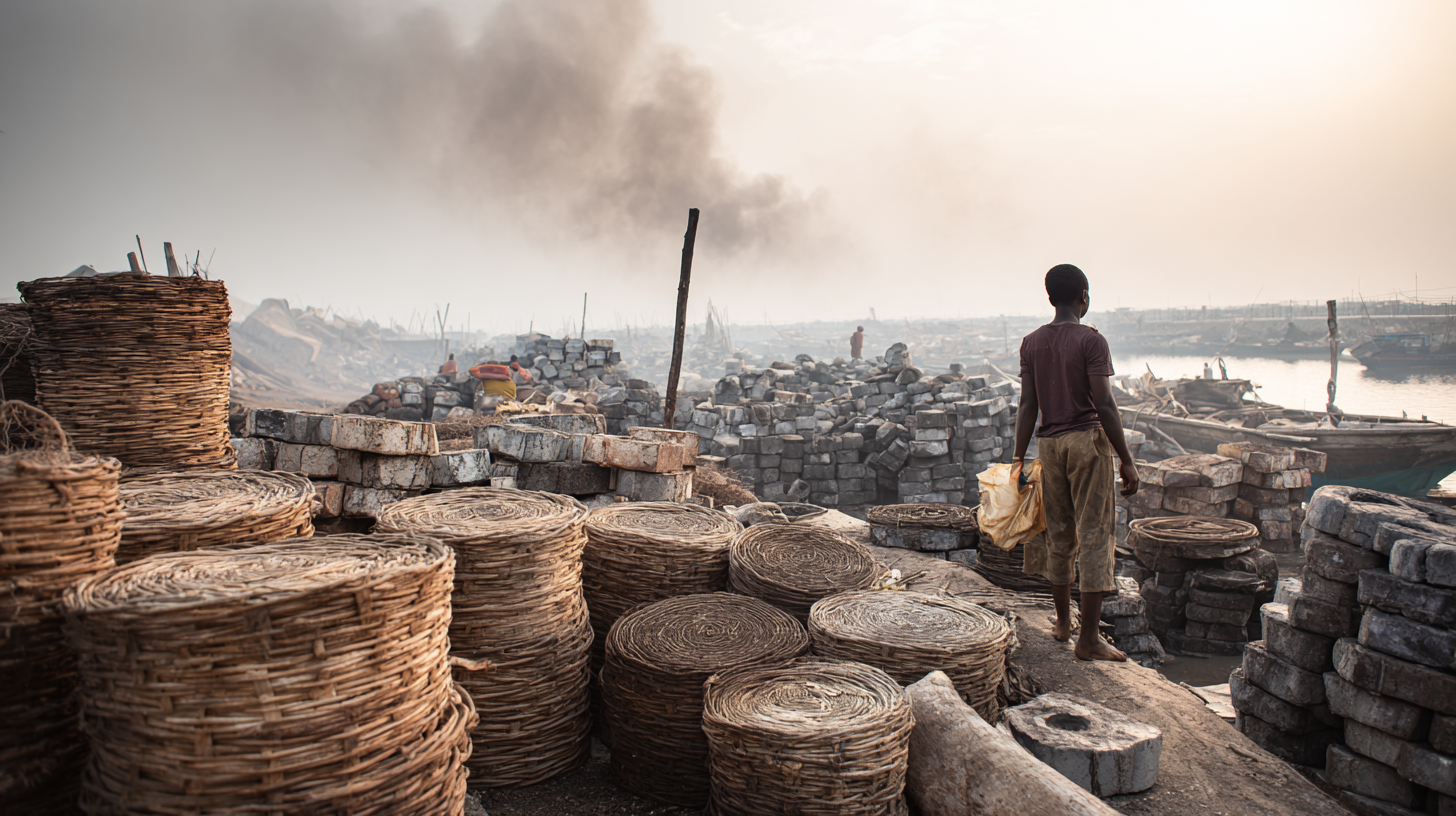
Hey there! You know, as more people start to really notice what's happening to our environment, it's becoming super important to spread the word about sustainable Rubber Products. I mean, rubber plays a big role in our everyday lives, but let's be real—it's had its fair share of bad press because of how it's typically sourced and the negative impact on the environment. But if we shine a light on eco-friendly alternatives, we can totally help shift what people choose to buy, leading to a better future for both our planet and the communities involved.
When it comes to sustainable rubber sourcing, the focus is all about keeping biodiversity in check and treating workers fairly in the rubber biz. By highlighting certifications like Fair Trade and Rainforest Alliance, we give consumers some solid info to help them make choices that really make a difference. Plus, check this out: if we start looking into things like natural rubber from responsible plantations or even synthetic options made from recycled stuff, we can cut back on our reliance on traditional rubber sources. This not only opens the door for innovation in eco-friendly products, but it also creates a big opportunity for some positive change. And, you know, sharing success stories from brands that are really stepping up their sustainability game can motivate others to jump on board. It's like creating this awesome ripple effect that gets everyone more aware and excited about sustainable rubber products!
Exploring the Versatility and Benefits of Custom Molded Rubber Parts in Automotive Applications
In the automotive industry, the significance of custom molded rubber parts cannot be overstated. These components play a crucial role in enhancing vehicle performance and ensuring safety. According to a report by Allied Market Research, the global automotive rubber parts market is projected to reach $24.03 billion by 2026, growing at a CAGR of 4.4% from 2019. This growth underscores the increasing demand for high-quality, durable components that can withstand varying environmental conditions, while maintaining functionality.
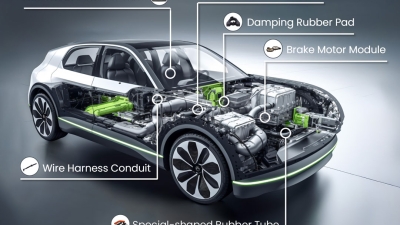
Sky Rubber specializes in meeting this demand by providing a wide range of custom molded rubber solutions tailored specifically for automotive applications. Our products, which include seals, damping rubber parts, rubber pipes, and thermal management systems, are designed with rigorous quality standards to ensure optimal performance and longevity. For instance, using advanced materials and precise molding techniques, we create rubber parts that not only enhance energy efficiency in charging and battery systems but also improve the overall comfort and safety in vehicles through effective vibration dampening in brake motor modules.
The versatility of custom rubber parts extends to their applications in cutting-edge automotive technologies, such as electric vehicles. As the prevalence of electric and hybrid cars continues to rise, the need for reliable and efficient rubber components is more critical than ever. By offering innovative solutions that address thermal management challenges and component durability, Sky Rubber is at the forefront of supporting automotive manufacturers in delivering high-performance vehicles that comply with evolving industry standards.
FAQS
: Some innovative alternatives include natural latex from sustainably managed rubber tree plantations, dandelion latex, and guayule, which can be cultivated in arid regions.
Natural latex is a renewable resource that reduces reliance on synthetic materials, supports biodiversity, and benefits local economies when sourced from sustainably managed plantations.
Consumers can support eco-friendly alternatives by prioritizing products from certified sustainable sources, looking for companies that are transparent about their sourcing and production processes, and choosing products that incorporate recycled materials.
Choosing sustainable rubber products can reduce waste, lower carbon emissions, and promote a circular economy, minimizing the overall environmental impact.
The rubber industry is experiencing a shift toward eco-friendly solutions, with 89% of consumers opting for sustainable products, reflecting a growing demand for responsible sourcing practices.
Companies that adopt sustainable rubber solutions often report higher customer loyalty and market growth as they align with the values of environmentally conscious consumers.
Case studies show that companies integrating recycled materials and responsible sourcing methods have achieved significant reductions in carbon emissions and enhanced customer loyalty.
Consumers should look for certifications of sustainability, transparency in sourcing practices, and the incorporation of recycled materials in rubber products.