Get a custom solution for free
- Phone
- E-mail
- Whatsapp
- Wechat

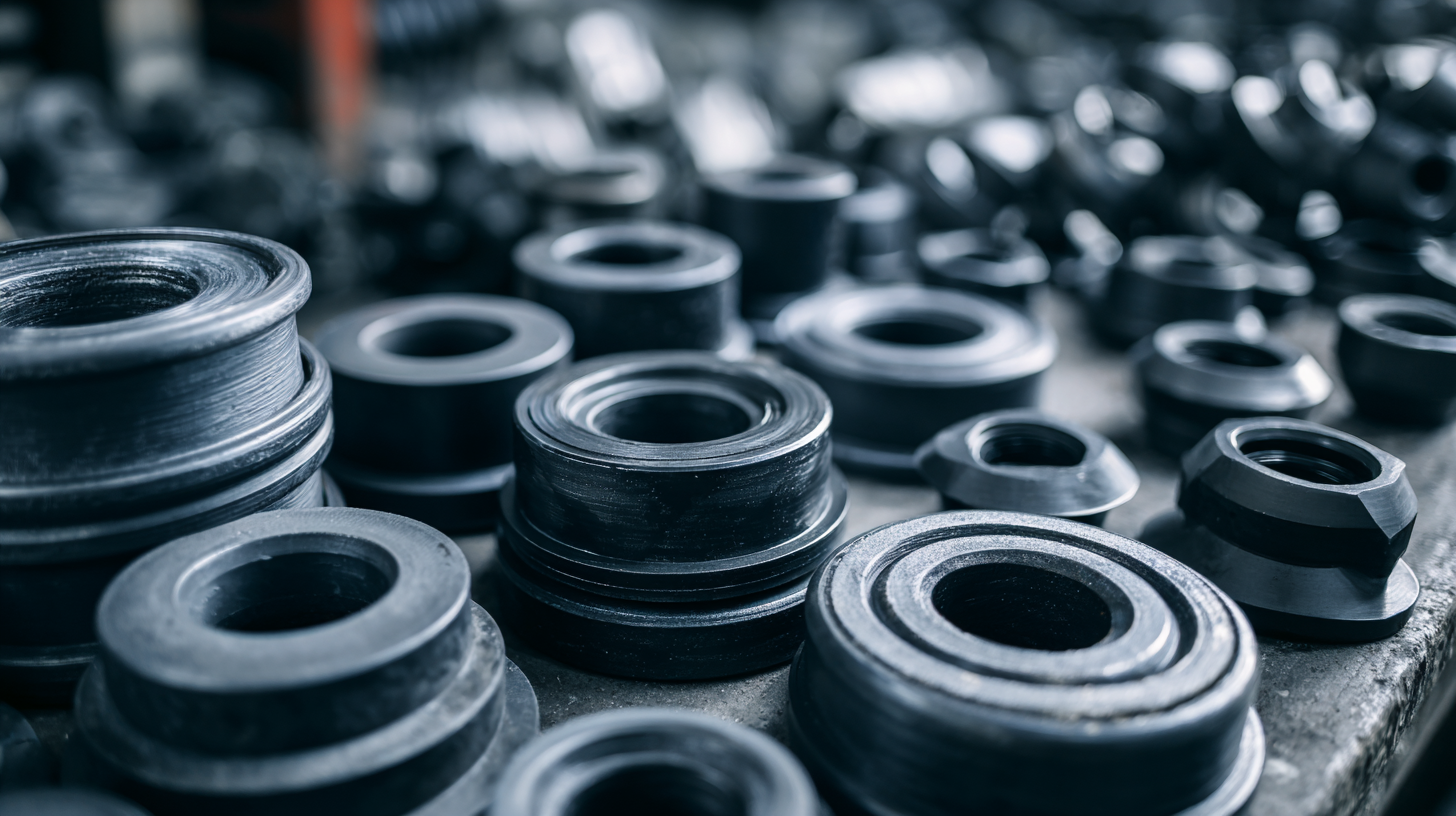
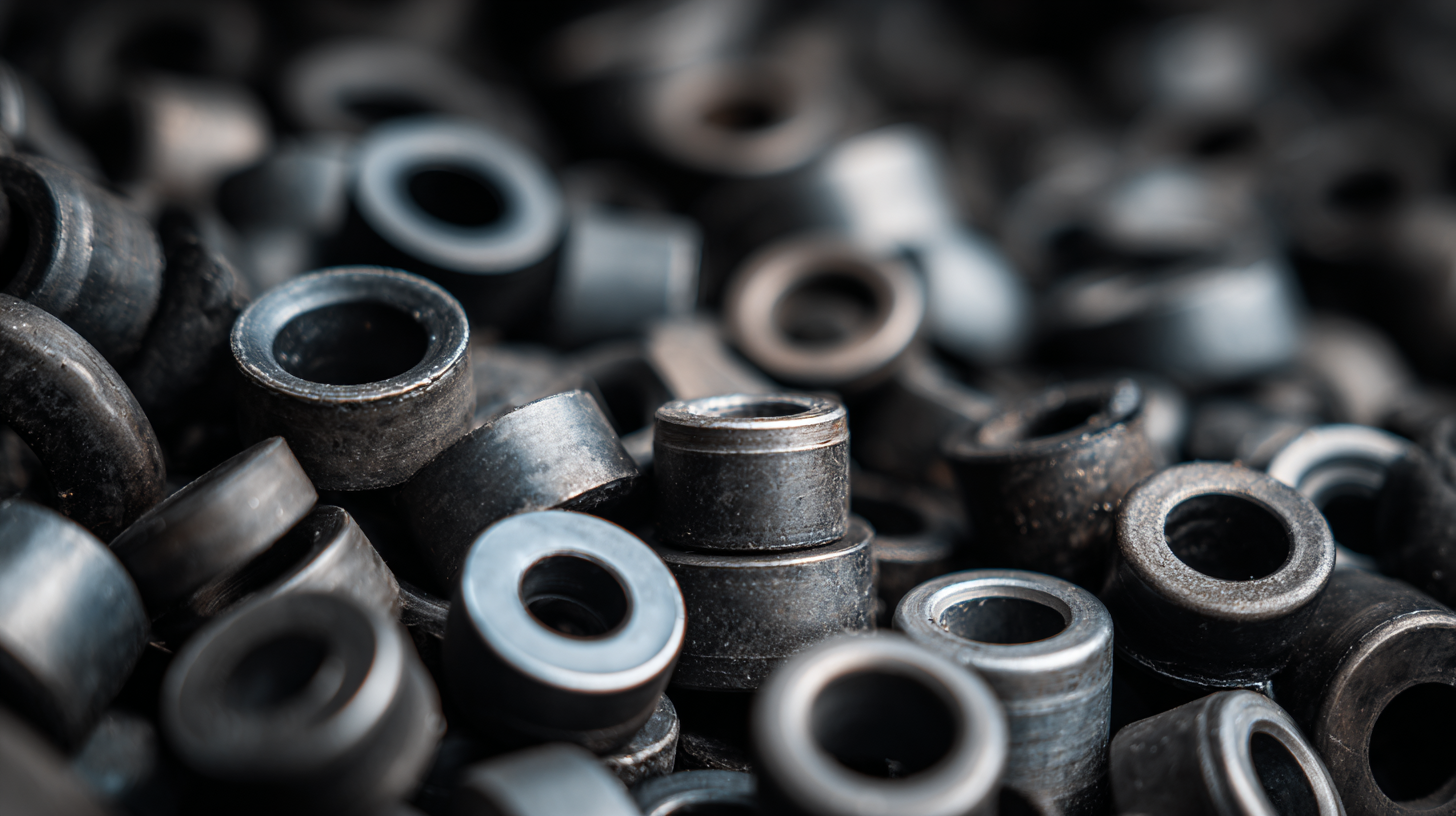
You know, in the fast-changing world of automotive stuff, the need for top-quality Rubber Parts is more intense than ever. I recently saw a report from MarketsandMarketsthat said the market for these Rubber Components is expected to hit around$32.5 billion USD by 2026 — that's a pretty solid growth of about 4.5% annually. It really shows just how important these parts are for vehicle safety, performance, and longevity.
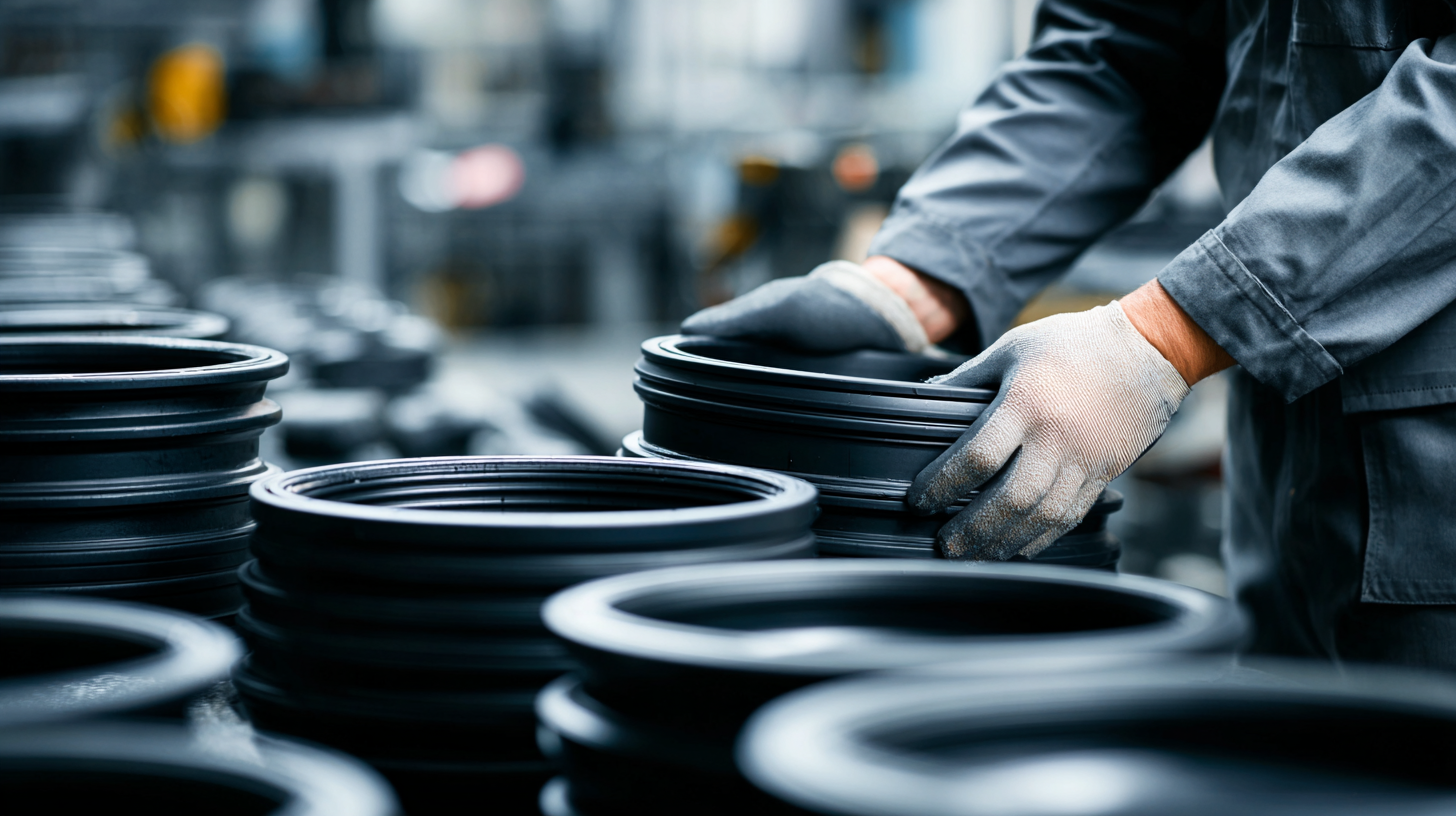
At Dongguan SKY Rubber Technology Co., Ltd., we’ve been in this game for over 24 years. We’ve got a slick manufacturing setup that covers more than 46,000 square meters, and we’re all about delivering the best rubber parts out there. Our team? Around 500 skilled folks working hard to keep up with the growing demand. Plus, we’ve expanded our production in Hunan province and Ho Chi Minh city in Vietnam, so we can cover all kinds of automotive needs while making sure every product meets tough quality standards. We're really passionate about what we do, and we’re here to make sure your vehicle’s components are reliable and high-performing.
When you think about the automotive world, you really can’t overlook how important quality rubber parts are. Using top-notch rubber components is key to making sure vehicles last longer and perform reliably—that's a big deal when it comes to safety and just overall driving confidence. On the flip side, cheap or low-quality parts tend to wear out faster, cost more in repairs, and, worst case, might even cause accidents. So, if you’re involved in manufacturing or supply, it’s super important to get your rubber from reputable sources that prioritize quality.
One smart tip? Take your time to thoroughly vet your suppliers. Look for companies that have built a solid reputation for consistency and quality over the years. Don’t hesitate to ask for certifications or documents that show their rubber meets industry standards—that kind of proof is worth its weight in gold. Also, pay close attention to the materials they’re using. Good suppliers will use durable, weather-resistant rubber compounds that can handle all sorts of tough conditions—they really make a difference.
And don’t skip the testing step! Before you place large orders, ask for samples so you can test how they perform in real-world conditions. This extra step can save you from headaches down the line by catching any potential issues early on. Bottom line: only go for the best rubber parts to keep your vehicles safe, high performing, and reliable—that’s what really counts.
The growing popularity of food-grade silicone in the realm of baby care products is a testament to its versatility and safety. Unlike traditional plastics, food-grade silicone is free from harmful chemicals such as BPA, PVC, and phthalates, which can leach into products and pose health risks to infants. According to a report by the American Academy of Pediatrics, using materials that comply with stringent safety standards is crucial in minimizing the exposure of infants to toxic substances. Silicone, which can withstand extreme temperatures and is resistant to degradation, makes it an ideal choice for custom molded baby care products.
Moreover, the adaptability of food-grade silicone allows for innovative designs that cater to the specific needs of babies and parents. Products like silicone teething toys, baby feeding utensils, and storage containers can be crafted to be both functional and aesthetically pleasing. A recent market report by Grand View Research indicates that the global silicone baby products market is projected to grow at a CAGR of 9.1% from 2021 to 2028, highlighting a strong consumer preference for safe and durable options. This shift is driven by the increasing awareness among parents regarding the materials used in everyday baby products and their impact on health.
Ultimately, food-grade silicone serves as a reliable choice for custom molded baby care products, ensuring safety, durability, and design versatility. As parents continue to seek out products that align with health-conscious values, it is essential for manufacturers to prioritize high-quality materials that foster the well-being of both children and the environment.
: High-quality automotive rubber components ensure the longevity and reliability of vehicles, directly impacting safety and performance. Poor-quality parts can lead to premature wear, increased maintenance costs, and even accidents.
It's essential to thoroughly evaluate suppliers, look for those with a strong reputation, and request certifications and compliance documentation to confirm that the rubber meets industry standards.
Research the supplier's history in the industry, assess their reputation, and seek reviews and testimonials. Suppliers with industry certifications often maintain higher quality standards.
Request samples of their products to conduct performance tests. This will help identify any potential issues and ensure you are integrating high-quality parts.
Effective communication with suppliers ensures clear expectations regarding product specifications, quality standards, and delivery timelines, which helps achieve better quality outcomes.
The checklist should outline technical requirements, including material specifications and performance criteria, which can be shared and discussed with potential suppliers to ensure alignment.
Maintain regular communication through meetings or calls, address concerns promptly, and build trust for a stronger, more productive relationship.
Ask about their testing and certification methods to ensure that the parts meet industry standards and to gain confidence in their quality.
Using poor-quality parts can lead to premature wear, higher maintenance costs, and increased risk of accidents, ultimately compromising vehicle safety and performance.
Testing helps identify potential issues early on, ensuring that only the best quality rubber parts are used, which enhances vehicle safety and performance.
When you're on the lookout for good quality automotive rubber parts, it's really important to get why they matter—stuff like vehicle performance and safety depend on it. Having reliable suppliers makes a huge difference, and taking the time to check their material specs and if they’re sticking to industry standards can help you make smarter choices. Oh, and let’s not forget about cost! balancing quality and budget is key—no point in overspending, but you still want good parts, right?
Good communication with your suppliers is also a game-changer—keeping the lines open helps ensure you get the best quality. Plus, it doesn’t hurt to have solid quality control measures in place during the whole process. Since 1999, Dongguan SKY Rubber Technology Co., Ltd. has been pretty much a go-to name in producing high-quality automotive rubber parts, thanks to their broad manufacturing setups across multiple locations. By keeping these tips in mind, businesses can really step up their sourcing game and get better results for their automotive needs.