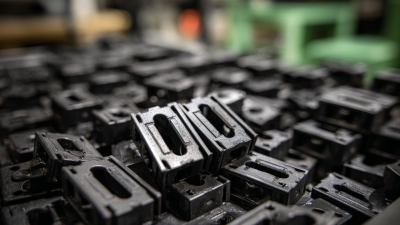
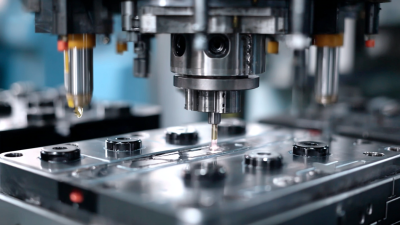
In today’s competitive manufacturing world, Precision Injection Molding really stands out as a key process that directly impacts the quality of products and how efficiently things run. According to a report from the International Association of Plastics Engineers (IAPE), about 80% of manufacturers agree that improving precision in their molding processes has led to noticeable gains in product performance and happier customers. This just shows that Precision Injection Molding isn’t just a technical step — it’s a vital part of staying competitive these days.
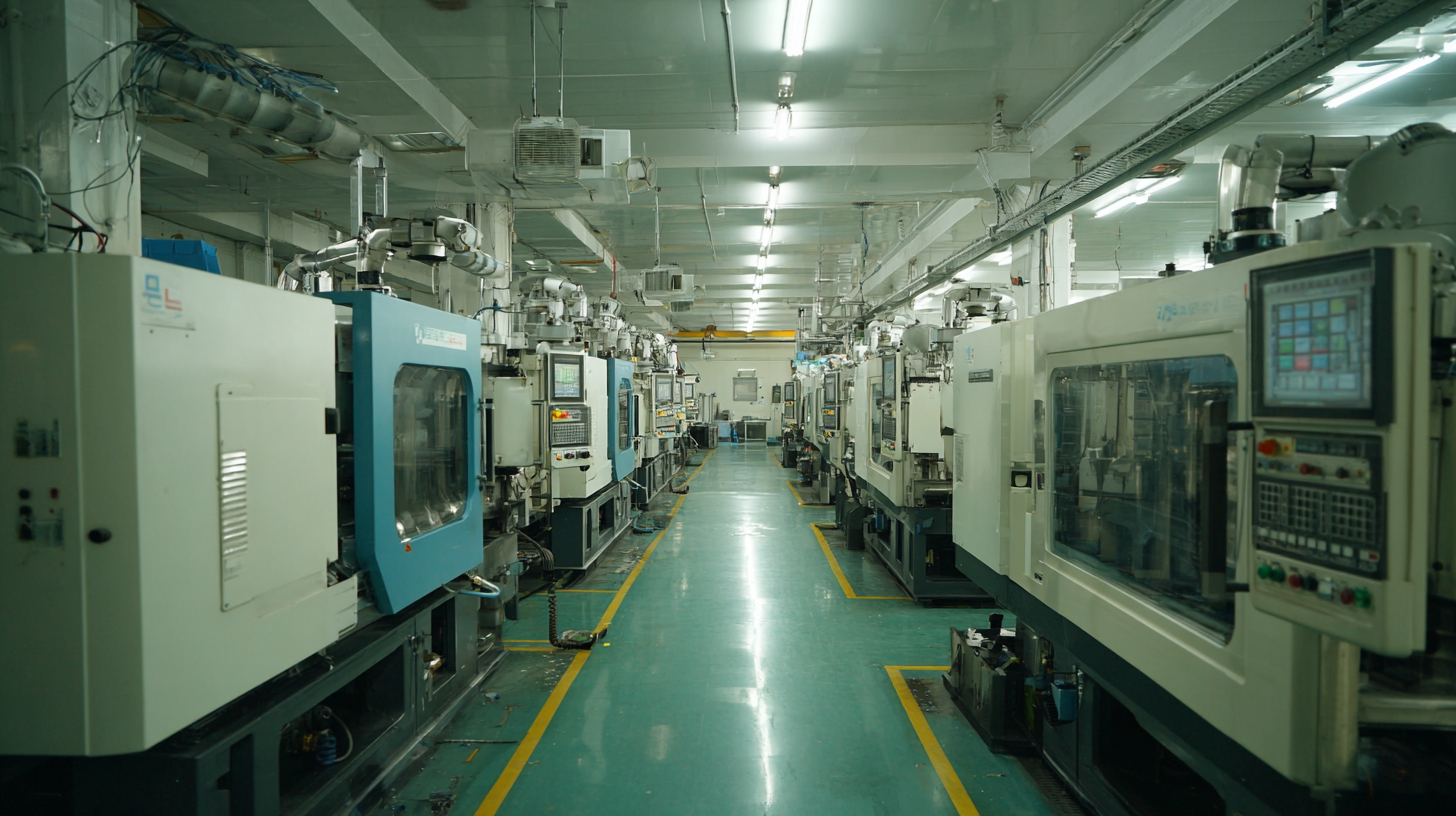
Industry expert Dr. John Tanner, who’s pretty much a go-to guy when it comes to advanced molding tech, stresses how important this process is: “Precision Injection Molding is a must for any manufacturer wanting to cut waste and boost efficiency. It lets you achieve tighter tolerances and more consistent results, which are crucial to keeping up with what consumers want these days.” His perspective really highlights how embracing precision can significantly cut costs and speed up production, all while keeping quality high.
As manufacturing keeps evolving with new tech, the importance of Precision Injection Molding is only getting bigger. Companies that make the most of this technique aren’t just improving their products—they’re also leading the way in innovation and sustainability. That’s how they set themselves up for long-term success in a market that’s always changing.
Benefits of Precision Injection Molding for Product Quality
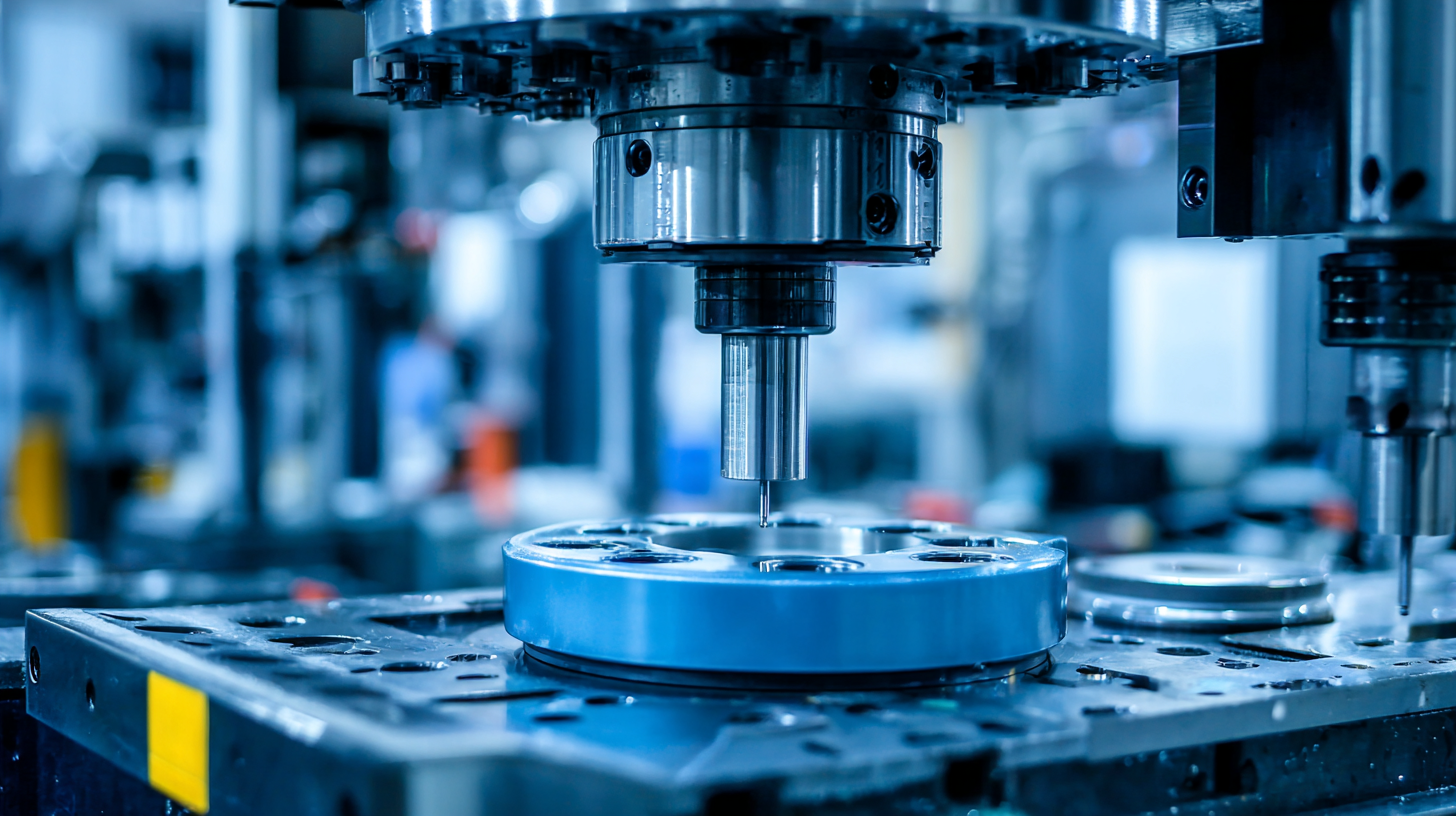 Precision injection molding is a cornerstone of modern manufacturing, offering significant benefits that directly enhance product quality. According to the 2022 "Global Injection Molding Market Report," companies employing precision techniques report a 20% reduction in defect rates, resulting in lower production costs and higher customer satisfaction. This method ensures uniformity in product dimensions, which is crucial for parts that require tight tolerances, such as in the automotive and medical industries. In fact, a study by Smithers Pira showed that precision components can reduce assembly time by up to 30%, streamlining production processes.
Tip: Investing in high-quality molds not only ensures precision but can also significantly extend the lifespan of the manufacturing equipment, leading to better cost efficiency over time.
Moreover, precision injection molding allows for the use of advanced materials that enhance product durability and performance. By minimizing the variability in the production process, manufacturers can create parts that consistently meet or exceed industry standards. Research from the International Association of Plastics Engineers indicates that products made with precision molding techniques experience a 15% increase in performance capabilities compared to traditionally molded items.
Tip: Regular maintenance of injection molding machines is essential to sustain their performance. Establishing a routine check can help in catching potential issues early, thereby maintaining the quality of production.
Key Technologies Driving Precision in Injection Molding Processes
Precision injection molding is increasingly becoming a cornerstone in manufacturing success, driven by advancements in key technologies that enhance accuracy and efficiency in the production process. The projected growth of the global micro injection molding machine market, from $551.3 million in 2025 to $759.2 million by 2032, highlights a significant demand for techniques that can produce smaller, intricate components with high precision. This demand aligns with evolving industry needs, particularly in sectors like electronics and medical devices, where precision is paramount.
Emerging technologies such as intelligent data-driven systems leverage reinforcement learning and knowledge graph optimization to revolutionize mold manufacturing. By enabling customized production through personalized approaches, these advancements challenge traditional manufacturing models that rely heavily on standardized processes. Additionally, innovations like low-pressure injection molding are contributing to a more sustainable plastics manufacturing landscape, ensuring that companies meet contemporary environmental standards while maintaining production efficiency. As these technologies evolve, they are set to redefine the standards of reliability and quality in injection molding processes, ultimately driving manufacturing success across various industries.
Cost Efficiency: How Precision Reduces Waste and Increases Profitability
In today's competitive manufacturing landscape, cost efficiency is becoming increasingly crucial, and precision injection molding plays a pivotal role in achieving this goal. By minimizing material waste through accurate mold designs and optimized production processes, manufacturers can significantly increase their profitability. For instance, industry reports indicate that precision molding reduces raw material waste by up to 30%, allowing companies to enhance their bottom line while simultaneously supporting sustainability initiatives.
Moreover, the integration of advanced technologies such as AI and automation further elevates operational efficiency. As seen in various sectors, automation can streamline inventory management, reducing excess scrap through predictive analytics. Companies embracing these technologies often witness a reduction of operational costs by around 20%, as they can more accurately forecast demand and inventory needs. In the context of precision injection molding, these efficiencies translate directly into substantial profits and heightened competitiveness within the market. By focusing on precision, manufacturers not only optimize their processes but also pave the way for sustainable growth and innovation.
Tips for Choosing the Right Injection Molding Partner for Success
Choosing the right injection molding partner is crucial for manufacturers looking to maintain a competitive edge. As the industry faces increasing pressure to reduce costs and streamline operations, the selection process should be thorough and informed. According to industry reports, precision injection molding can enhance production efficiency by up to 30% while also minimizing waste, which is particularly vital in sectors such as medical device manufacturing where compliance and quality are paramount.
When evaluating potential partners for injection molding, companies should consider not only their capabilities in operational efficiency but also their supply chain proficiency. A reliable partner should possess a robust supply chain model that can adapt to fluctuating market demands and address tariff-related concerns, ensuring uninterrupted production. Moreover, investing in cutting-edge technology and embracing best practices in part design and material selection is essential. As companies aim to innovate, collaborating with partners who have a strong track record in quality assurance can significantly influence product success, as evidenced by reports indicating that companies with rigorous quality control practices see up to a 20% increase in customer satisfaction.
Common Challenges in Precision Injection Molding and Their Solutions
Precision injection molding is integral to manufacturing success, particularly in the production of complex components where tolerance and replicability are paramount. However, this process is not without its challenges. Common issues such as variations in temperature, pressure inconsistencies, and material flow complications can significantly impact the quality of the final product. According to a report by the International Journal of Precision Engineering and Manufacturing, these factors can lead to defects in up to 30%of Injection Molded Parts, highlighting the need forstringent process control and advanced monitoring systems.
At Dongguan SKY Rubber Technology Co., Ltd., we understand these challenges and have implemented solutions geared towards improving precision in our manufacturing processes. With over 46,000 square meters of factory space and a dedicated workforce of 500 employees, we leverage state-of-the-art technology to optimize our injection molding operations. By establishing control measures such as real-time data analytics and automated quality checks, we can minimize production errors and enhance product consistency. This proactive approach not only fulfills client specifications but also boosts overall productivity, ensuring that we stay competitive in the ever-evolving market.
Future Trends in Precision Injection Molding and Manufacturing Strategies
The future of precision injection molding is poised for significant advancements that align with the evolving manufacturing strategies. With the global micro injection molding machine market anticipated to expand from $551.3 million in 2025 to $759.2 million by 2032, it is clear that industries are recognizing the importance of precision in their production processes. This growth is driven by an increasing demand for high-quality and intricate components, particularly in sectors such as medical technology, where the need for precision can dictate the success of medical devices.
As companies like Allegheny Performance Plastics enhance their capabilities through strategic acquisitions, the landscape will continue to shift, emphasizing the need for innovation and adaptation in manufacturing. Additionally, the anticipated growth of 3D printing, projected to exceed $40 billion by 2030, signifies a broader industry trend towards integrating advanced technologies. For manufacturers, embracing these innovations is not merely an option but a necessity to thrive in a competitive environment that is undergoing chaotic transformations. Adapting to these changes will be crucial for sustaining success in precision injection molding and the manufacturing sector at large.
Why Precision Injection Molding is Essential for Manufacturing Success
| Aspect | Current Trends | Future Predictions | Benefits | Challenges |
| Technology Integration | Increased use of automation and AI technologies | Greater reliance on IoT for real-time monitoring | Enhanced efficiency and reduced downtimes | High initial investment and training costs |
| Material Innovation | Adoption of bio-based and recycled materials | Development of advanced composites for durability | Sustainability and reduced environmental impact | Material supply chain variability |
| Customization | Growing demand for personalized products | Mass customization through flexible manufacturing | Increased customer satisfaction and loyalty | Complexity in production processes |
| Process Optimization | Focus on lean manufacturing practices | Implementation of advanced analytics for process control | Cost reduction and improved product quality | Resistance to change from workforce |
| Regulatory Compliance | Increased scrutiny on health and safety standards | Stricter regulations on materials and processes | Enhanced brand reputation and trust | Potential for increased operational costs |
FAQS
: Precision injection molding significantly enhances product quality by reducing defect rates by 20%, ensuring uniformity in product dimensions, and allowing for the use of advanced materials that improve durability and performance.
By lowering defect rates and streamlining production processes, precision injection molding reduces overall production costs, leading to higher customer satisfaction.
It is particularly crucial in industries such as automotive and medical, where parts require tight tolerances and high precision.
Precision components can reduce assembly time by up to 30%, streamlining production efficiency.
Key advancements include intelligent data-driven systems, reinforcement learning, and low-pressure injection molding techniques, which enhance accuracy and sustainability.
Regular maintenance and routine checks are essential for sustaining performance and catching potential issues early, thereby maintaining production quality.
The global micro injection molding machine market is projected to grow from $551.3 million in 2025 to $759.2 million by 2032.
Products made with precision molding techniques experience a 15% increase in performance capabilities compared to traditionally molded items.
Innovations like low-pressure injection molding contribute to a more sustainable plastics manufacturing landscape by meeting contemporary environmental standards.
High-quality molds ensure precision and can significantly extend the lifespan of manufacturing equipment, leading to better cost efficiency over time.
Conclusion
Precision Injection Molding plays a pivotal role in enhancing product quality, streamlining manufacturing processes, and ultimately driving success in the competitive landscape. By leveraging key technologies, manufacturers can achieve unparalleled precision, reducing waste and increasing profitability. This method not only ensures superior product performance but also helps companies like Dongguan SKY Rubber Technology Co., Ltd., established in 1999, to maintain efficiency in their operations across multiple locations.
When selecting an injection molding partner, it is crucial to consider their expertise in overcoming common challenges associated with precision processes. Future trends indicate a growing emphasis on innovation and sustainability in precision injection molding, suggesting that manufacturers who adapt to these changes will thrive. As a leader in the industry, Dongguan SKY Rubber Technology remains committed to utilizing precision injection molding to deliver high-quality products for their clients globally.