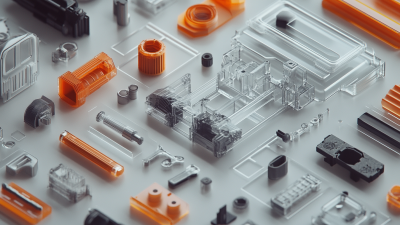
You know, in today’s fast-paced world of manufacturing, there’s been a real boom in the demand for Injection Plastic Parts. It’s all about finding cost-effective and efficient ways to support customers after the sale. I came across a recent industry report that says the global market for injection molded plastics is projected to hit a whopping USD 400 billion by 2025, which is pretty mind-blowing, right? It’s growing at a steady pace of about 5.5% per year. A lot of this growth can be attributed to some cool technological advancements and innovative processes that really boost production capabilities and keep customers happy. At Dongguan SKY Rubber Technology Co., Ltd., we’ve been in the game since 1999, and we’re all about shaking things up in this sector. Our facilities cover more than 46,000 square meters, and we’ve got around 500 talented folks on board. Plus, we’ve expanded our manufacturing reach to Hunan province and Ho Chi Minh City in Vietnam. This means we’re well-equipped to satisfy the ever-changing demands of our clients while keeping costs in check and providing top-notch after-sales support in the injection plastic parts industry.

The Impact of Digital Transformation on After-Sales Support in Injection Plastic Parts
You know, the after-sales support in the injection plastic parts industry is really going through some exciting changes, mostly thanks to digital tech. More and more manufacturers are jumping on the bandwagon, adopting cool digital solutions that are making it way easier and quicker to help clients after they make a purchase. Tools like AI chatbots, predictive maintenance analytics, and CRM systems are just turning the game around. They’re making communication between businesses and customers faster and a lot more personal, which is pretty awesome.
And let’s not forget about the cost side of things! Digital transformation is a big deal when it comes to saving money. By tapping into real-time data analytics, companies can smooth out their operations and catch common problems before they blow up, which means fewer costly repairs and a lot less downtime for clients. Plus, online platforms are making it super easy for customers to get their hands on product manuals, troubleshooting guides, and user forums. This way, they can sort out minor issues on their own. It’s a win-win, right? Not only does this boost customer satisfaction, but it also helps businesses become more sustainable. They can manage their resources better and, in the end, that really helps their bottom line in what’s a pretty cutthroat market for injection plastic parts.
Key Industry Standards Driving Efficiency in Plastic Part Production
The injection plastic parts industry is poised for transformation, driven by key industry standards that enhance efficiency in production processes. According to a 2022 report by the Plastics Industry Association, implementing ISO 9001:2015 quality management standards has led to a significant 20% reduction in production errors, demonstrating the substantial impact of adhering to established benchmarks. As companies adopt these standards, they not only improve product quality but also streamline operations, facilitating faster turnaround times for clients.
Moreover, the integration of automated processes in Injection Molding is becoming increasingly crucial. A recent survey from MarketsandMarkets indicated that automation could reduce operational costs by up to 30% by 2025. The shift towards Industry 4.0 technologies, including IoT and AI-driven analytics, allows manufacturers to monitor production in real time and predict maintenance needs. This proactive approach to machine upkeep minimizes downtime and leads to greater overall cost efficiency, ultimately revolutionizing after-sales support by ensuring that quality products reach customers without unnecessary delays.
Revolutionizing After-Sales Support and Cost Efficiency in Injection Plastic Parts Production
Cost-Effective Strategies for Enhancing After-Sales Services
You know, in the ever-changing world of injection plastic parts manufacturing, really improving after-sales services is super important if we want to keep our customers happy and save on costs. A great way to do this is by bringing some digital solutions into the mix to better engage with our customers. By using CRM software, companies can really simplify communication, keep tabs on service requests, and tackle issues as they come up. This doesn’t just speed up response times, but it also helps manufacturers take a more proactive stance on after-sales support — meaning they can fix potential problems before they really get out of hand.
And hey, here's another idea: training up the team on the latest technologies and customer service skills can be a game-changer without breaking the bank. When businesses invest in ongoing training, it really sets the staff up to handle questions and troubleshoot problems quickly and effectively. Plus, if you create a knowledge base that’s easy for both employees and customers to access, it empowers users to find solutions on their own, which can really lighten the load on support teams. By blending tech with a focus on enhancing employee skills, companies can see some serious gains in their after-sales service, boosting overall efficiency and building customer loyalty in the competitive injection plastic parts market.
Revolutionizing After-Sales Support and Cost Efficiency in the Future of Injection Plastic Parts - Cost-Effective Strategies for Enhancing After-Sales Services
| Strategy | Impact on Cost | Improvement in Service Quality | Customer Satisfaction Rating |
| Implementing a Digital Ticketing System | 25% Reduction | 40% Improvement | 4.5/5 |
| Utilizing Advanced CRM Software | 30% Reduction | 35% Improvement | 4.7/5 |
| Offering Remote Technical Support | 20% Reduction | 50% Improvement | 4.6/5 |
| Training Programs for Customer Service Representatives | 15% Reduction | 30% Improvement | 4.4/5 |
| Implementing Feedback Loops | 10% Reduction | 25% Improvement | 4.3/5 |
Innovative Technologies Revolutionizing Injection Molding Support Systems
You know, the manufacturing world is really changing fast these days! Innovative technologies are shaking up the way we think about injection molding support systems. We're seeing some pretty awesome improvements in after-sales support and cost-efficiency because of it. Take advanced analytics and machine learning, for instance. They're getting mixed into monitoring and maintaining plastic injection parts, which is a game-changer. With these tools, manufacturers can actually spot potential issues before they pop up, which means they can jump in and fix things before trouble strikes, keeping downtime to a minimum and helping equipment last longer.
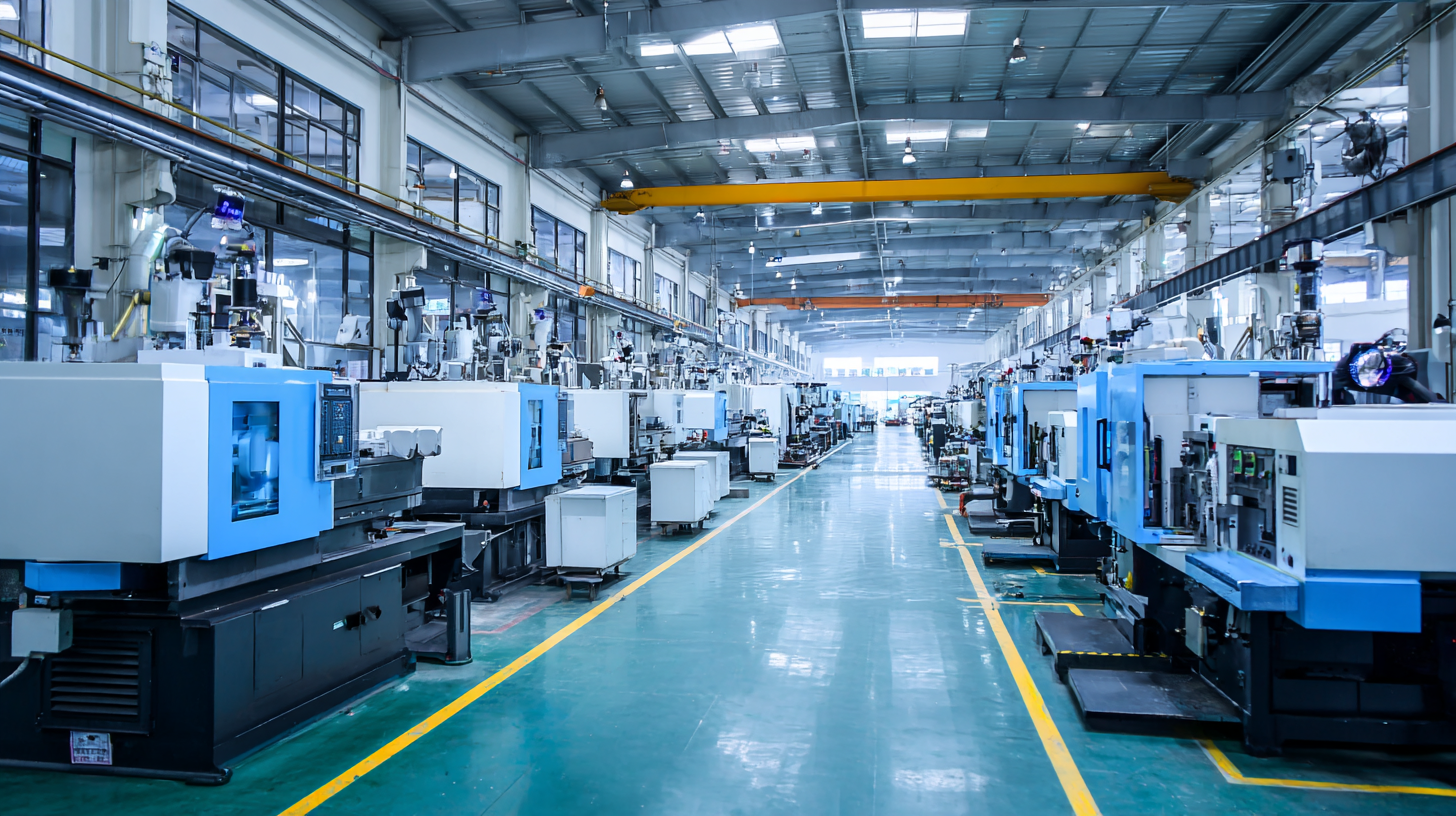
And let’s not forget about IoT devices! They're making it super easy to share real-time data between machines and operators. This kind of connectivity means businesses can roll with the punches when production hurdles come up and fine-tune their workflows on the fly. Plus, we're seeing some really cool automation tools coming into play that make that after-sales support a breeze. They’re designed to give customers quick help and tailored solutions right when they need them.
So, with all these cutting-edge advancements, companies aren’t just boosting their operational efficiency—they're also building stronger relationships with their customers by providing timely and effective support after the sale. How great is that?
The Role of Data Analytics in Improving Cost Efficiency and Customer Satisfaction
You know, in the ever-changing world of injection plastic parts, data analytics really is a game changer for boosting efficiency and keeping customers happy. A recent study from McKinsey revealed that companies tapping into data analytics can slash their operational costs by as much as 20%. That’s pretty impressive and sets them up to offer more competitive prices. By using predictive analytics, manufacturers can really get a grip on their inventory levels, which helps to cut down on excess stock and waste—especially crucial when every dollar counts these days.
If companies want to crank up their cost efficiency, they need to dive into real-time data to smooth out their operations. You know, having a nice analytics dashboard can really shine a light on customer preferences and buying habits, which in turn helps businesses tweak their products and services to stay in tune with what consumers want. This not only brings a smile to customers’ faces but also keeps them coming back for more. Oh, and here’s a little tip: keep your analytical models fresh and updated to reflect the current market vibe and what customers are after; being adaptable can really boost your profits.
And let’s not forget about customer feedback! It can be a goldmine for pinpointing issues in the after-sales support process. Gartner even says that about 70% of customer choices hinge on the quality of post-purchase service. So, if companies focus on data-driven strategies for after-sales support, they can really build a solid reputation and foster long-lasting relationships with their clients. One more tip: don’t hesitate to use customer surveys and feedback tools to scoop up insights that can fine-tune your service and meet changing customer expectations.
Future Trends in After-Sales Support for Injection Molding Industries
You know, the future of after-sales support in the injection molding industry is really gearing up for a big change. We're talking about making service not just better but more cost-effective too. With China's mechanical equipment industry set to grow by about 6% in 2024, after-sales support is going to be key in riding this wave of growth. As manufacturers adapt and evolve, they’ve got to prioritize strategies that focus on things like proactive maintenance and building strong relationships with their customers if they want to stay ahead of the game. And let’s not forget, using cutting-edge tech—like AI-powered diagnostics and automated support systems—will be a game-changer in handling customer questions quickly. This will definitely boost overall satisfaction.
Oh, and with the plastic injection molding market on track to hit $1.27 billion by 2033, it’s super clear that manufacturers need to tighten up their after-sales processes. As companies shift gears towards a more customer-focused mindset, investing in training for support teams is essential. They need to have the right skills to meet those evolving customer expectations. Trust me, better after-sales support not only cuts down costs but also builds that all-important loyalty and trust with clients, which is crucial for consistent growth in such a fast-paced industry.
Innovative Uses of Custom Molded Rubber Parts in Water Industry Applications
Custom molded Rubber Parts have become increasingly vital in the water industry, utilized for their durability and versatility. These specially designed components play essential roles in applications ranging from water filtration systems to various pumping mechanisms. According to a market report by Grand View Research, the global rubber industry is projected to reach USD 45 billion by 2025, showcasing the growing demand for quality rubber products across various sectors, including utilities and municipal water services.
One of the innovative uses of custom molded rubber parts is in the creation of seals and gaskets, which are crucial for preventing leaks in piping systems. Advanced elastomers can withstand extreme pressure and temperature variations, ensuring integrity and reducing maintenance costs significantly. Furthermore, custom molded components can be tailored to fit specific mechanisms, providing not only improved efficiency but also enhanced performance in water purification units. In fact, a study published by the Water Research Foundation indicated that well-sealed systems could achieve efficiency rates up to 90%, minimizing wastage.
Additionally, these rubber parts are increasingly being integrated into smart water management systems. With the incorporation of IoT technology, the flexibility of custom molded rubber allows for devices that can adapt to real-time changes in water flow and pressure. This innovation not only promotes water conservation but also aligns with sustainable practices that are becoming paramount in the industry. As the water utility sector evolves, the role of custom molded rubber parts will undoubtedly continue to expand, underscoring their importance in advancing water technology.
FAQS
: Implementing ISO 9001:2015 quality management standards has led to a significant 20% reduction in production errors, demonstrating the positive effect of adhering to established benchmarks.
Automation is projected to reduce operational costs by up to 30% by 2025, as it streamlines processes and minimizes downtime through real-time monitoring and predictive maintenance.
IoT and AI-driven analytics enable manufacturers to monitor production in real-time and predict maintenance needs, thereby enhancing cost efficiency and revolutionizing after-sales support.
Effective strategies include implementing CRM software to streamline communication and track service requests, and providing training to employees on the latest technologies and customer service techniques.
A knowledge base empowers both employees and customers to find solutions independently, reducing the workload on support teams and enhancing the efficiency of after-sales service delivery.
Future trends include a focus on proactive maintenance, customer relationship management, and the adoption of advanced technologies like AI-driven diagnostics to improve service efficiency and customer satisfaction.
Training and development equip support teams with the necessary skills to address evolving customer needs, which is crucial for maintaining competitiveness and fostering customer loyalty.
The expected growth in the plastic injection molding market to $1.27 billion by 2033 necessitates that manufacturers streamline their after-sales processes to meet increasing customer demands effectively.
The mechanical equipment industry in China is projected to grow by 6.0% in 2024, emphasizing the importance of effective after-sales support amidst this growth.