Get a custom solution for free
- Phone
- E-mail
- Whatsapp
- Wechat

In the world of transforming global supply chains, there is continuous improvement through innovations in materials through solutions that improve the working efficiency of companies. One such game-changing material is termed rubber. Rubber Solutions thereby emerge remarkable versatility and durability and, above all, outstanding adaptability, making them a necessity in most industries. At times, transforming a supply chain would even mean adopting high-quality Rubber Components in products to realize tangible improvements in performance and cost-efficiency.
Dongguan SKY Rubber Technology Co., Ltd. was incorporated in 1999 with regards to its core business, which brought such a great fortune in the supply of high-quality Rubber Solutions. It has its main base in a wide factory area of above 46,000 square meters and 500 workers in mainland China, but in order to satisfy further needs and demands in the market, a number of branch manufacturers, such as that in Hunan province and another factory located in Ho Chi Minh city, Vietnam, were opened. Today, Dongguan SKY Rubber Technology Co., Ltd. is one of the leading innovators in quality and technology, having traveled the distance to reach all the solutions Rubber can offer in further transforming global supply chains.
In the rapidly evolving landscape of global supply chains, companies are constantly seeking new innovative materials and solutions for improving operational efficiency. Rubber is one such material that has emerged as a game changer in this area, as Rubber Solutions are renowned for their versatility, durability, and adaptability, making them essential in different industries. Last but not least, it can bring significant improvements in both product performance and cost-effectiveness if one moves to adopt high-quality rubber components in products while striving for improvement in such critical areas in the supply chain.
Dongguan SKY Rubber Technology Co., Ltd, which started as primarily a rubber manufacturing company in 1999, has already started to make inroads into presenting itself as a strong player with respect to offering great SOLUTIONS in rubber. In fact, building such a widespread factory that occupies beyond 46,000 square metres and containing over 500 employees in mainland China has not stopped the company from considering opening branch manufacturers in places such as Hunan province and another factory in Ho Chi Minh city, Vietnam. Thus, it is on its way toward unlocking all the potentiality Rubber Solutions would have for your global supply chain through the power of combining cutting-edge technology and a keen focus on quality.
Driven by awareness of environmental issues and the quest for eco-friendly materials, the demand for sustainable rubber solutions in global supply chains is gaining momentum. The global Styrene-Butadiene Rubber (SBR) market size was estimated at $8.95 billion in 2024 and is projected to reach $19.9 billion by 2032, at an impressive CAGR of almost 10.5%. This growth is a vivid demonstration of the change from the mainstream industrial use to the sustainable one. Innovation fuels the catalysts to bring about the transition, which includes using natural refrigerants such as CO2 (R744) in automobile air-conditioning systems. The implementing of eco-friendly methods improves companies' ratings and allows for the efficient working of the supply chains. The advances in thermal management technology emphasize the very basis of investing in sustainable alternatives to conventional materials. Sustainability is also the theme of many major industry events-for example, the China International Plastics and Rubber Industry Exhibition scheduled for 2024. The event will showcase innovations from over 4,400 exhibitors from over 150 countries spotlighting the future of rubber solutions in supply chains. As industries adapt to such changes, it will be critical for leading players to put sustainable rubber solutions at the forefront of their development if they want to stay competitive and meet further evolving consumer expectations.
The increasing advances in rubber technology are transforming the whole game in the global supply chains, across the sectors, for efficiency and sustainability. The global market for Styrene-Butadiene Rubber (SBR) solutions would witness a huge boom with estimates that the value should reach $8.95 billion in 2024 and swell to $19 billion by 2032, at a strong growth rate of over 10.5%. So, by taking place, such boost in this innovative market shows how much of a blessing rubber solutions have been in the enhancement of supply chain performance and reliability.
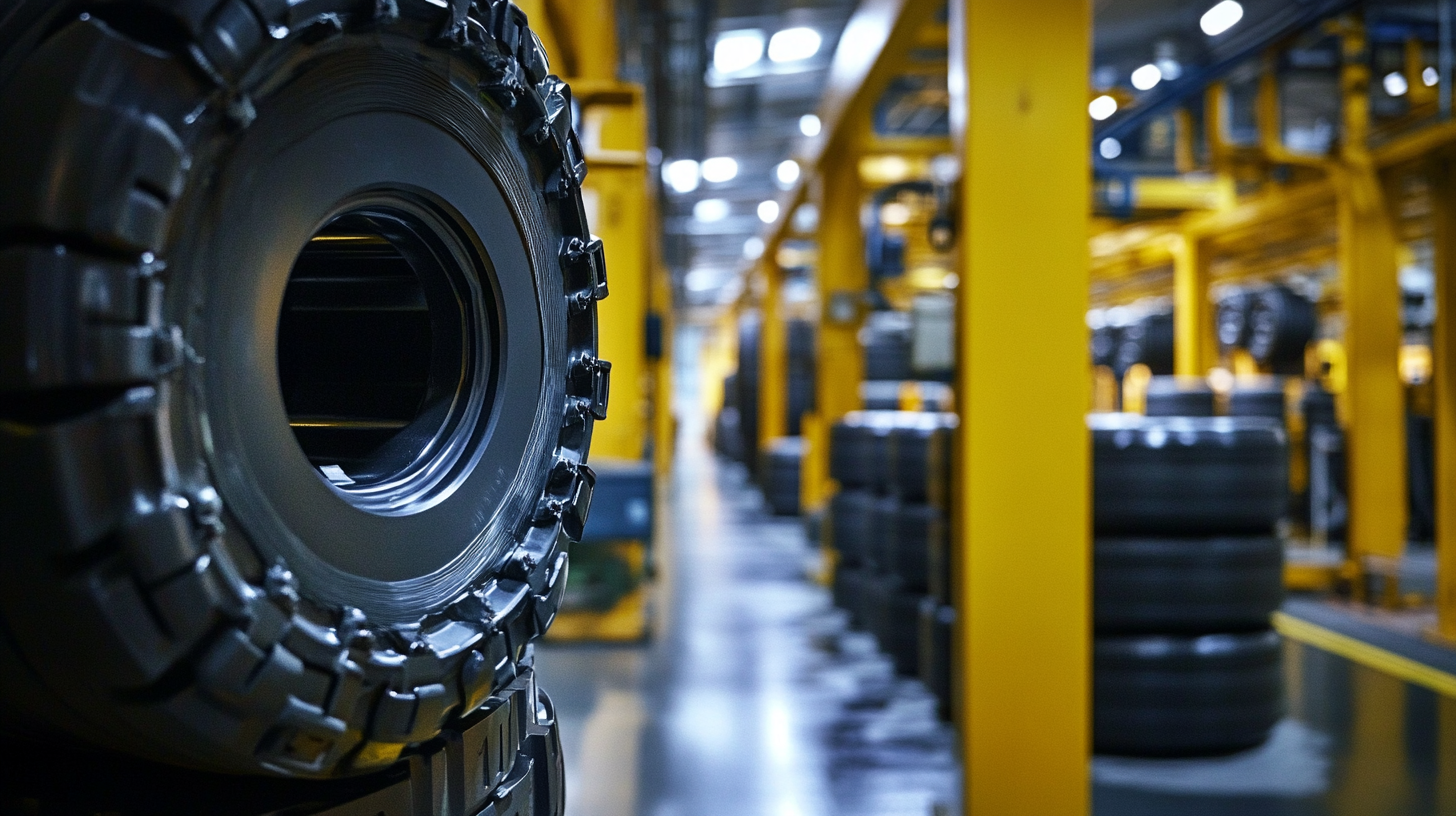
One simple example would be that of the futuristic automated plant of a world-leading tire manufacturer, where material movements in the factory are by truck on the production line with AGVs. They will not just handle loads of up to a ton per truck, but will also take care of scheduling and the way things are organized-workworks- to show how operations can be streamlined to minimize bottlenecks. Competitive companies in the rubber industry may even be able to boost their operational efficiencies and lessen their costs due to the incorporation of these types of manufacturing techniques.
And again, the role of the supply chain within rubber is of collaboration between all stakeholders regarding the sustainability drive. One such initiative is within an umbrella of guiding transforming natural rubber sustainability through collaboration for responsible sourcing and ecological stewardship. As stakeholders to industry recognized sustainability, continuous innovation of rubber solutions will lead to advancing greater responsible supply chain ecosystems.
The cost-benefit study of rubber solutions for supply chains in the fast-changing world of logistics cannot be undervalued nowadays. The durability, flexibility, and resilience of rubber materials equally give creative opportunities to these industries to fade operational pains with lowered costs. The integration of high-performance rubber components would improve product performance, avoid wastage, and sustain environmental friendliness.
Recent forums and conferences, like the International Rubber Academic Conference held in Xuzhou, have brought to mind the paradigm shifts in the industry towards greener solutions. This focus on sustainability puts extra emphasis on choosing materials based on their suitability for meeting existing performance standards and, even better, allow benefits to the environment. For logistics companies, this means that investing in rubber solutions will encompass significant long-term savings in maintenance, improved operational efficiencies, and consequent less frequency in demand for such rubber items.
As firms like Trinseo bring out sustainability reports highlighting their commitment to responsible sourcing and production processes, so it becomes pivotal to be informed in decisions made regarding materials for the supply chain. The current transition towards low-carbon and environment-friendly products gives a robust case for logistics companies to weigh the potential bottom-line benefits of rubber solutions also from a corporate social responsibility angle. Companies that adopt such innovations will find themselves in a more advantageous situation amidst the growing conscientiousness of the market, providing a pathway for sustainable growth and competitiveness.
Global Supply Chains continuously innovate in order to create operational efficiency for companies. Case studies have pointed to rubber solutions as a critical factor in the success of many companies. There might be an instance when one major auto manufacturer first incorporated high-performance rubber into their production system, resulting in lower production costs and better durability of vehicles; and simultaneously illustrating the many uses of rubber for complex supply chain problems.
Rubber solutions also feature highly in the consumer goods world; a leading electronics company employed rubber solutions to reduce the cost of packaging and transporting its fragile components. They adopted custom-designed rubber protections for their fragile components that significantly reduced product damage in transit. This improved customer satisfaction while reducing waste and replacement costs, proving that rubber contributes to maintaining product integrity in the supply chains.
In the pharmaceutical arena, a prominent company adopted rubber solutions to guarantee an undisturbed transportation of certain sensitive materials. It employed special rubber seals and gaskets in its shipping containers, ensuring appropriate temperature and humidity conditions necessary for material quality preservation. This is therefore a case where rubber solutions can improve compliance with very stringent regulations, mostly in the trading world, which later becomes in favor of generating stronger ties with its clientele and stakeholders at the global level. It is indeed evident from these examples that the incorporation of rubber solutions has enormous potential in every segment of the supply chain.
Rubber increasingly plays a global role with respect to being capable of reducing carbon footprints and improving sustainability across supply chains. Transformations in greening practices by companies around the world come with the potential need for traceability in their supply chains. In transition markets, where sustainable agricultural technologies are catching up and rubber solutions are expected to play critical roles, the need may be increasing. Use of eco-friendly rubber materials will help the companies achieve their own sustainability goals, but also help fight climate change at a higher level.
Besides, the development of reusable materials, particularly in household products, emphasizes an urge for innovative rubber solutions toward the emerging demand. The market for reusable household cleaning gloves and several other sustainable products is expected to grow the fastest over the next few years. Rubber-based solutions will not only diversify the product portfolios but also minimize wastes and environmental impacts that make companies align with the changing consumer preference on sustainability.
It is not just a trend, but a wise strategic business move in a highly competitive environment focusing on sustainability today to leverage rubber-based technologies. Unlock potential rubber solutions to a wider goal around supply chains by reducing carbon emissions into a more sustainable future.
Durability has been the most recent development trend in global supply chain activities. Rubber solutions, therefore, lead this market niche. According to a Smithers report, the global rubber market is expected to reach $53 billion in 2028, as products are being demanded to perform and last. Rubber components are indeed proving critical in extending the service life of other products, especially in the automotive and consumer electronic industries whose respective development is being driven by sustainability and efficiency.
Rubber achieves tremendous durability due to its inherent desirous being-the elasticity, resilience, and wear and tear resistive nature. For example, rubber seals and gaskets significantly increase the performance and lifespan of any mechanical equipment, preventing leakages and reducing wear and tear. Interestingly, the American Society for Testing and Materials (ASTM) estimates that rubber materials can enhance mechanical component lifespan by as much as 40%, reducing the frequency of replacements, thus minimizing downtime.
Embracing a rubber solution within the supply chain context is also in keeping with circular economy principles, which focus on reducing pollution and waste. The MarketsandMarkets report concluded that the adoption of sustainable materials such as rubber in manufacturing processes can lead to 30% reduced carbon footprint. The ongoing effort to comply not only with strict environmental regulations but also with consumer demand for greener practices enables strong yet sustainable rubber products in the supply chain as a competitive advantage.
Sourcing and quality, indeed a tough nut to crack for global supply chains when it comes to rubber products, are indispensable aspects of major contributors for the industry in sharpening their sourcing strategies to counter risks. That is, strategize to build relationship with suppliers in different regions to ensure steady supply not deter further in case of regional disruption.
Control quality is another area most companies have been avoiding. However, there must be an approach to ensuring rubber products comply with the standards set for the industry as well as any others requested by customers. This might include rigorous testing protocols while manufacturing and periodic audits for the suppliers in compliance with these quality standards. Real-time data and quality assessment measured by technology can enhance visibility through the supply chain allowing for immediate corrective measure when necessary.
In addition, most firms should always learn the recent trends on rubbers production and processing techniques. This is because advances in materials science would eventually lead to better products at lower costs, and partnering in production with suppliers with sustainability approaches will improve the rubber products in the end and the brand reputation and customer satisfaction overall. Thus, the opening of global rubber sources to sourcing and quality control will give the companies all the benefits of rubber solutions.
As the world moves toward greener practices, so does the circular economy, which is increasingly becoming an indispensable approach in the rubber industry. As revealed by the Ellen MacArthur Foundation, about $4.5 trillion could be generated from the transition into a circular economy by 2030. In rubber value chains, the transition requires a rethinking of sourcing, production, and end-of-life operations.
In-Circle Circular principles above all mean putting an amount of recycled and bio-based materials at the core of using those materials. For example, the world recycled rubber market was valued at nearly $4.4 billion in 2020 and is projected to reach $6.7 billion by 2026 with an estimated compound annual growth rate (CAGR) of 7.5%. It witnesses a growing demand for sustainable rubber solutions, thus calling for manufacturers' innovative practices aimed at waste minimization and resource efficiency throughout their supply chains.
Closed loops where materials reuse each other is also an important feature of a circular economy. The Tire Industry Project estimates that around 40% of end-of-life tires are recycled to new products that also show the possibility of rubber being continuously reintegrated into the supply chain. Such approaches also help in making an organization have less environment as well as be profitable and competitive in the global market. Much would depend on the speed with which stakeholders embrace the principle of using the new circular model for today's rubber industry as it determines the level of future resilience and success.
Material selection remains a critical influence on the operational efficiency and sustainability of the supply chain. Rubber has found unique and definite advantages over such materials as plastics and synthetic composites, and its physical characteristics of elasticity, durability, and extreme resistance make it the best material among the various applications-from automotive parts to industrial seals. Since the applications of these materials are vast, comparisons will guide businesses towards making better strategic decisions.
Environmental sustainability is among the key benefits that rubber can offer. It is biodegradable and can be sustainably harvested from nature, thus minimizing the effects of supply chain operations on carbon emissions. Synthetic alternatives, on the other hand, usually aid the long-term degradation of the environment. In addition, with the increasing focus on sustainability by companies, the use of rubber solutions will provide more eco-friendliness to their supply chains, hence taking an edge into the market where consumers are conscious about the environment.
Another reason why cost differs between rubber and other materials is that while the costs are higher compared to rubber products during acquisition, their longevity and performance result in substantial savings over time. Increased durability means reduced replacement and lower maintenance. For companies thinking of optimizing their supply chain strategy, investing in rubber solutions most often offers better long-term value compared to non-rubber alternatives and thus positions them competitively in the market.
In today's interconnected economy, the worldwide sourcing of rubber solutions plays a crucial role in maintaining the competitive edge. Collaboration is the crux of successful sourcing. By engaging with suppliers, manufacturers, and logistics providers from around the globe, companies can draw on local expertise, smoothen production methods, and optimize their supply chain. Such collaborative efforts ensure that materials are supplied in the right quantity at the right time and place, thereby reducing lead times and increasing responsiveness to market demands.
Furthermore, collaboration encourages product development innovations. Companies can investigate new rubber formulations and application methods to meet specific market requirements that touch on their partners' insights and capabilities. This collaborative approach not only expedites the development cycle but also fosters sustainability; collaboration allows sharing best practices and compelling stakeholders to use sustainable materials and recycle efforts within the supply chain.
Through collaboration with the support of global networks, companies will tackle challenges such as price instability and geopolitical uncertainties. Resilient relationships with suppliers will help organizations develop contingency planning and diversify sources to mitigate supply chain disruption risks. In the end, making collaboration the very basis for sourcing rubber solutions will consequently generate opportunities for business growth and success in an increasingly unpredictable global market.
The increasing awareness of environmental issues and the need for eco-friendly materials are driving the demand for sustainable rubber solutions.
The global SBR market is projected to reach $8.95 billion in 2024 and grow to $19.9 billion by 2032, reflecting a CAGR of approximately 10.5%.
Innovative technologies, such as natural refrigerants like CO2 in automotive air conditioning systems, help improve sustainability ratings and enhance supply chain efficiency.
The 2024 China International Plastics and Rubber Industry Exhibition will showcase innovations from over 4,400 exhibitors from more than 150 countries, focusing on the future of rubber solutions.
The circular economy involves re-examining sourcing, production, and end-of-life processes to prioritize the use of recycled and bio-based materials.
Transitioning to a circular economy could generate about $4.5 trillion in economic benefits by 2030.
The global recycled rubber market was valued at approximately $4.4 billion in 2020 and is projected to reach $6.7 billion by 2026, with a CAGR of 7.5%.
Around 40% of end-of-life tires are recycled into new products, highlighting the potential for material reintegration in the rubber supply chain.
Adapting to the circular economy is vital for enhancing resilience, reducing environmental impact, and increasing profitability and competitiveness in the global market.