Get a custom solution for free

Blog

Why Choose Industrial Rubber for Your Business?

Why Choose Industrial Rubber for Your Business?

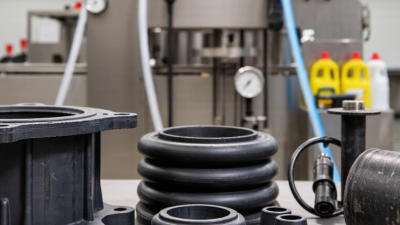
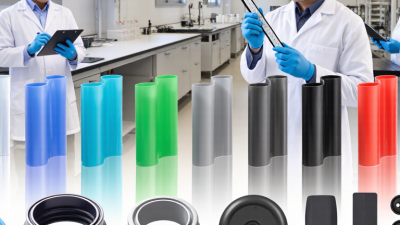
Rubber kind of flies under the radar, but it's doing a lot of heavy lifting in everyday industrial settings—think sealing pump housings or keeping production equipment from vibrating itself apart. That practicality is really where it shines: pick the right compound and components can handle constant movement, friction, and general wear without giving up. Here's the catch though—rubber isn't just one material with one set of rules. Natural and synthetic versions act pretty differently, and how well something performs depends on the formulation, the part design, and the conditions it's working in. If you're buying components, don't start with specs—start with what the part actually has to do. Think about things like temperature, pressure, whether it'll come into contact with oils or cleaning agents, and how much it needs to move. A conveyor roller that's constantly rubbed by abrasive material is a whole different ballgame than a gasket sitting in heat. Look, Industrial Molded Rubber is great at delivering the precise shapes you need for specialized equipment. But honestly, a close fit only gets you so far—it's the compound and manufacturing quality that really decide how long it lasts. Don't be shy about asking suppliers for the material data, dimensional tolerances, and test info that actually matter for your application. If you can, get a sample and try it out under real-world conditions before committing to a big order. Even a spec sheet that looks thorough can miss something—like an occasional chemical splash or a sudden temperature swing. Definitely worth double-checking. You know, choosing the right industrial rubber can actually cut down on maintenance headaches—if you're careful about it. But here's the thing: no rubber is going to save you if the installation is sloppy or the equipment design is just wrong. When you lay out clear requirements, it's way easier to compare products based on what actually matters, not just the price tag. And honestly, the best pick is usually the one backed by real evidence, dependable quality, and a solid grasp of the conditions it'll be working in.
Read more »
Ethan By:Ethan - November 6, 2026
2026 Top Precision Injection Molding Manufacturers

2026 Top Precision Injection Molding Manufacturers

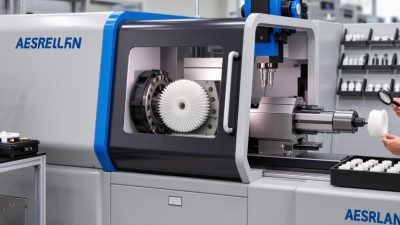
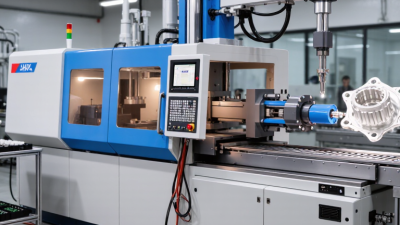
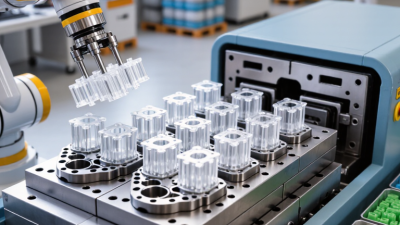
Precision injection molding is really for those parts where even a tiny dimensional shift can mess with fit, sealing, or how the product performs. Think about a thin-wall housing, a connector used in medical devices, or a small gear whose teeth have to mesh just right every time. And honestly, these kinds of parts depend on a lot more than just having a good press. Tool design, resin control, process monitoring, measurement — all of it matters. Let’s be honest—this is a big market. According to Grand View Research’s report on injection molded plastics, the whole sector pulled in around $330.1 billion in 2023, and they’re expecting it to grow at roughly 4.7% each year through 2030. But here’s the catch: that number covers all injection-molded plastics, not just precision molding. So yeah, it tells you there’s plenty of demand, but it doesn’t exactly point you to the right supplier for your specific part. One thing ISO 20457:2018 does is lay out tolerances and acceptance criteria for injection-molded plastic parts. And honestly, it kinda drives home the point that you can't really talk about tolerances without bringing material and design into the conversation. So, this guide I put together for 2026 profiles a bunch of manufacturers who seem to have the chops for demanding production—think tooling expertise, process control, quality systems, and experience across industries. But hey, these are just starting points, not promises. Just because a supplier has a slick capability page doesn't mean they can actually hold your tolerance when you're scaling up. You really need to ask for sample inspection data, get clear on how they measure things, and see how they deal with process changes. The devil's in the details, right? Look, a ranking can definitely help you narrow down your shortlist, but it’s no substitute for actually digging into the technical details—your drawing, your resin, and your annual demand. That’s a distinction people tend to miss, honestly.
Read more »
Isabelle By:Isabelle - November 3, 2026
What Are Car Auto Parts?

What Are Car Auto Parts?

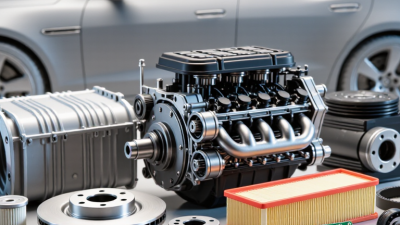
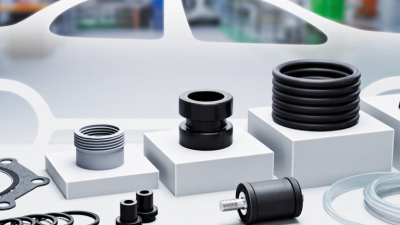
Car auto parts—basically all the bits and pieces that keep your car moving, stopping, steering, and generally not falling apart. Some are tiny, like clips and little filters. Others are big and serious, like the engine, transmission, or the electronic control modules that basically run the show. Take brake pads, for example: they press against the rotor to slow you down. And the cabin filter? That’s the one trapping dust and junk before the air ever reaches your face. A lot of these parts get swapped out during routine service. But some of them? They just keep going for years, no complaints. You know, the sheer size of this industry really hits you when you think about how many cars are out there that need looking after. In 2023, something like 93.5 million vehicles were produced globally—that’s according to OICA, the folks who track motor vehicle manufacturing. Around the same time, Grand View Research valued the global automotive aftermarket at roughly USD 430.51 billion. But the thing is, these two numbers are talking about pretty different stuff: one’s about making cars, and the other’s about everything that happens after they’re on the road—repairs, maintenance, parts, you name it. It’s also worth keeping in mind that market estimates can vary quite a bit depending on how each report defines things. So you really can’t treat them as interchangeable. Honestly, that distinction is easy to overlook. Anyone who works on cars knows that finding the right part isn’t just about knowing what it’s called. You’ve got to consider the make, model, year, engine—and sometimes even the VIN—because all of that can change whether something fits and actually works. You’d think a filter that looks exactly the same would be fine, but nope, dimensions and specs can be totally different. And the whole OEM vs. aftermarket thing? It’s not always as black-and-white as people make it sound. What really matters is having clear product info, decent quality, and knowing for sure it’s compatible. Let’s be honest—some parts are simple, and some really aren’t. You might also see people searching for “Car Parts Auto Parts,” even though it’s not exactly how we’d say it in everyday English. Anyway, this guide is here to walk you through what car parts actually are, how the common categories differ, and what you should look out for before grabbing a replacement. The point is to give you practical definitions, not to pretend every part will fit every vehicle.
Read more »
Ethan By:Ethan - October 31, 2026
Top Extruded Rubber Manufacturers for Global Buyers?

Top Extruded Rubber Manufacturers for Global Buyers?

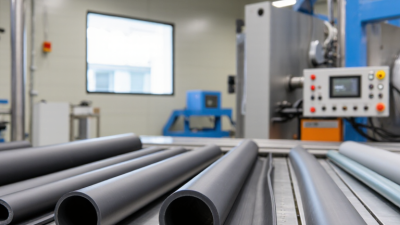
You know, global buyers are really taking a fresh look at their Extruded Rubber suppliers these days. Demand is climbing across all sorts of sectors – vehicles, buildings, machinery, even energy systems. And it's not just a hunch; Grand View Research points out that automotive, construction, and industrial uses are really driving the rubber market. Plus, Smithers’ report on the future of rubber says that things like traceability, material efficiency, and lower-impact production are becoming bigger and bigger priorities. You know, the numbers just don't match up from one report to the next. And honestly, that's a pretty big deal. Alright, so you've got your eye on some big names in the industry – Trelleborg, Freudenberg, Parker Hannifin, Apple Rubber, and Stockwell Elastomerics. Just because a company is huge doesn't automatically mean they're the best at what they do. What you really need to look for is a supplier that has their act together on the technical side: controlled die design, consistent compound mixing, parts that hold their shape, and documented testing. And hey, don't ignore the numbers – check out their tensile strength, compression set, temperature resistance, ozone performance, and delivery track record. Honestly, the devil is in the details. Look, I get that having certifications like ISO 9001 or IATF 16949 can boost your confidence, but honestly, they don't replace real product-level validation. Every application needs its own solid evidence. You know, looking at what MarketsandMarkets and Freedonia Research are saying, it's pretty clear that a few big things are driving rubber component purchases these days—regional supply chains, the whole electric mobility push, and a steady stream of infrastructure spending. That kind of environment really seems to play into the hands of manufacturers who've got multiple plants, solid engineering backup, and tooling services that actually respond quickly when you need them. But here's the catch: having a global footprint isn't all sunshine. It can easily lead to communication hiccups, and you might even notice quality that's all over the place between different facilities. Honestly, that's a risk you can't just brush off—it deserves some serious thought. When you're looking at vendors, make sure to ask for the latest datasheets, sample approvals, inspection plans, and any REACH or RoHS statements they've got. Also, double-check whether the quoted lead time actually covers tooling, testing, and getting that first article approved—you'd be surprised how often that's left out. Honestly, there's no one-size-fits-all answer here. The right extruded rubber supplier really depends on what you're dealing with—how risky the application is, what compounds you need, how much volume you're looking at, where you're located, and how thorough your own verification process is going to be.
Read more »
Ethan By:Ethan - October 26, 2026
Top Precision Injection Molding Manufacturers Worldwide

Top Precision Injection Molding Manufacturers Worldwide

Precision injection molding is becoming a bigger deal these days. Why? Because manufacturers want tighter tolerances, cleaner surfaces, and production that stays repeatable. It's the kind of thing medical devices, automotive connectors, electronics housings, and micro components all rely on—you name it. And a visible part? It may look simple, at least on the surface. Inside, it’s really mold temperature, moisture in the resin, how long you cool it, and clamp pressure that call the shots when it comes to quality. Industry data really does back this up—this is clearly becoming a bigger deal. Grand View Research reported that the global injection molded plastics market topped USD 180 billion in 2023, and its analysis expects that growth to keep going through 2030. Mordor Intelligence, on the other hand, points to automotive, healthcare, and consumer electronics as the main demand sectors. One thing to keep in mind, though: these reports don't all define the market the same way, so their numbers shouldn't be compared blindly. And yeah, that caveat matters. In this guide, we’re looking at some of the major manufacturers in the industry: Husky Technologies, Engel, Arburg, Haitian International, Milacron, Sumitomo (SHI) Demag, Nissei Plastic Industrial, and Sodick. But size alone doesn’t tell the whole story. We also look at machine precision, mold engineering, how they validate their processes, global service, and whether they have real experience with tough materials. ISO 9001 systems? They help, sure. But having certification doesn’t automatically mean you’ll get perfect parts. Real performance? It shows up in controlled production records, dimensional reports, and cycle times that stay steady. And honestly, the details matter. To me, a strong supplier should be able to explain its process clearly. They should also provide traceability, preventive maintenance, and practical design-for-manufacturing advice. And honestly? No ranking gets everything right. Sometimes a smaller specialist can beat a bigger group on one tricky component. So this intro treats reliability as evidence, not advertising, and it pulls from public company info and recognized industry reports.
Read more »
Ethan By:Ethan - October 23, 2026
How to Source Injection Plastic Parts in 2026?

How to Source Injection Plastic Parts in 2026?

Sourcing injection plastic parts in 2026? It's not just about comparing unit prices—not even close. Buyers really need to dig into tooling design, resin availability, production stability, quality records, and total landed cost. Because a supplier with a rock-bottom quote can still leave you with very expensive headaches: warpage, short shots, inconsistent color, the works. Fortune Business Insights put the global injection molded plastics market at roughly USD 387 billion in 2023. Their report also expects growth to keep going through 2032, fueled by automotive, medical, electronics, and packaging demand. That said, research firms don't all define the market the same way. It's a limitation worth keeping in mind. The Plastics Industry Association still reports strong plastics manufacturing activity in North America. And their data backs up a pretty practical point: regional capacity, workforce skills, and supply-chain resilience matter a lot when you're choosing a supplier. A spreadsheet alone won't cut it. Dr. John Beaumont, a well-known injection molding specialist, calls the mold “the heart of the injection molding process.” That's still spot-on when buyers are looking at mold steel, cooling channels, gate locations, and maintenance plans. These details directly shape cycle time and part consistency. If your company is planning to Design Injection Molded Plastic Parts, start the sourcing process with a clear drawing and realistic tolerance requirements. Ask for material certificates, dimensional inspection reports, and production samples. And check whether the supplier follows ISO 9001 procedures and documents corrective actions. Of course, some projects still go sideways despite careful prep. Resin prices move, forecasts turn out too optimistic, and prototype results can be misleading. So a reliable sourcing decision comes down to verified evidence plus cautious judgment—not just attractive promises.
Read more »
Clara By:Clara - October 19, 2026
Top Food Grade Silicone Products for Global Buyers?

Top Food Grade Silicone Products for Global Buyers?

So, global demand for Food Grade Silicone Products keeps growing—across kitchens, healthcare, catering, and modern food packaging. Grand View Research puts the global silicone market at roughly USD 20.73 billion in 2023. Their 2024–2030 analysis also points to steady growth, helped along by silicone’s flexibility, heat resistance, and durability. But those numbers cover more than just food applications. And that distinction? It matters. For buyers around the world, a trustworthy product review has to go beyond pretty colors and low quotes. A silicone spatula might look perfect at first glance, but its odor, filler content, curing method, and long-term migration performance all deserve a closer look. In the U.S., the FDA lists applicable food-contact requirements under 21 CFR 177.2600. In Europe, Regulation (EC) No 1935/2004 sets up a broader framework for materials that touch food. If a supplier claims compliance, it should back that up with current lab reports, traceable raw materials, and clear testing conditions. A logo by itself? It doesn’t prove much. This guide compares leading Food Grade Silicone Products using practical buying criteria. We look at temperature ranges, hardness, tear strength, odor control, color stability, packaging, and supplier documentation. Fortune Business Insights also flags food-safe materials and convenience products as important growth areas in related markets. Still, market forecasts aren’t purchase guarantees. And no ranking is perfect. Buyers should check samples under real conditions—repeated washing, freezer storage, boiling water, contact with oily foods. Even experienced procurement teams can miss small details. That’s why transparent specs, responsive manufacturers, and independent verification matter more than polished marketing language.
Read more »
Clara By:Clara - October 12, 2026
2026 Top Rubber Injection Molding Manufacturers?

2026 Top Rubber Injection Molding Manufacturers?

Looking for the top Rubber Injection Molding manufacturers in 2026? It’s not just about comparing machine prices. A solid review has to dig into engineering depth, how consistent production really is, material control, service coverage, and documented customer experience. The best suppliers tend to bring together precise injection units, stable temperature control, automated demolding, and practical process monitoring. Dr. James L. White, a well-respected polymer-processing expert, once put the purpose of processing pretty simply: “Polymer processing is the technology of converting polymers into useful products.” That still rings true for Rubber Injection Molding. A modern machine only really matters when it turns out dependable seals, gaskets, medical components, or automotive parts—again and again, at repeatable quality. This guide takes a look at established names like DESMA, REP International, MAPLAN, ENGEL, ARBURG, and Pan Stone. We’ll compare their technologies, mold compatibility, automation options, energy performance, and after-sales support. Factory scale matters. But so does the technician who picks up at 2 a.m. Honestly, not every glossy brochure reflects what happens in the field. That’s the uncomfortable part. Some manufacturers share limited data, while some smaller suppliers deliver surprisingly strong results. Before choosing a partner, buyers should check trial reports, cycle-time records, maintenance access, and real customer references. Rubber formulation changes everything. A machine that works great for silicone may not suit EPDM, NBR, or fluorocarbon rubber without careful adjustments. So this introduction sets a practical standard for the 2026 review: verified capability, transparent evidence, and a fit with the buyer’s actual production conditions. The ranking may not be perfect. Still, it should help readers ask better questions.
Read more »
Clara By:Clara - October 7, 2026
Top Precision Injection Molding Manufacturers Worldwide

Top Precision Injection Molding Manufacturers Worldwide

You might not realize it, but Precision Injection Molding is now really at the forefront in industries like healthcare, automotive, electronics, and microfluidics. It’s pretty incredible—parts can weigh just a few grams, but their exact dimensions can make the difference between a product that's safe and one that's not, or whether everything fits together smoothly. According to Grand View Research, the global market for injection molding machines hit around USD 15.7 billion in 2023, and it's only expected to keep growing through 2030. The demand's climbing, and so are the expectations from buyers. No surprise there, right? In this article, I’ll take a closer look at some of the big players out there—like Phillips Medisize, Tessy Plastics, Jabil, Protolabs, and Rosti. We’re going to compare them on a few key things: mold engineering, process validation, material traceability, automation, metrology, and quality certifications. And yeah, ISO 9001 matters, but for medical stuff, ISO 13485 is even more critical. Still, having a certificate isn’t everything; it can’t replace consistent, reliable data on molding processes. You can have a shiny, spotless factory, but if cooling, pressure, or resin drying isn’t well-controlled, the parts might still come out inconsistent. John Bozzelli, who founded Scientific Molding, always says, “The goal is a robust process that produces good parts consistently.” And honestly, that’s still the best advice—meaning, a properly validated mold should be able to handle repeated cycles, not just pass initial inspection. Top suppliers usually go beyond just checking the first batch—they balance cavities carefully, develop scientific processes, do in-line inspections, and document corrective steps when needed. But they all have different strengths—some really shine in medical assembly, others might be geared more toward automotive projects or fast digital manufacturing. And let’s be real, rankings aren’t set in stone. Everything depends on what tolerances you need, where you’re located, how complex the tooling is, and how much risk the buyer is willing to accept. So, consider this article more of a helpful starting point rather than some absolute list of winners.
Read more »
Ethan By:Ethan - October 1, 2026
Top 10 Silicone Solutions Suppliers for Global Buyers

Top 10 Silicone Solutions Suppliers for Global Buyers

Suppliers of silicone solutions cater to a pretty demanding bunch of markets — everything from medical parts and car seals to consumer gadgets and kitchen tools. But, honestly, choosing the right supplier isn’t always straightforward. Just flipping through a shiny catalog won’t tell you if a compound cures reliably or if a molded edge releases smoothly. Buyers really need concrete proof from actual production run data, not just pretty promises. According to Grand View Research, the global silicone market hit around USD 18.18 billion in 2023 and is expected to grow at about 7.8% annually from 2024 through 2030. That’s a big number that hints at increasing demand, but it doesn’t really tell you much about which suppliers are solid or what they’re capable of. So, it’s super important for buyers to dig into material data sheets, quality reports, testing methods, production capacity, and how consistent samples are. Little details matter — even a slight color shift can mess up an entire production batch. This guide compares ten suppliers around the world, focusing on practical stuff like customization options, technical support, lead times, and how easy they are to communicate with. We also look at specific applications — say, silicone rubber buttons — where feel, size, and durability really need to match the original design. Honestly, no single supplier is perfect for every project. And let’s be real — relying solely on public info has its limits. A quick heads-up: the info here doesn’t include direct quotes or verified expert names. Instead of making stuff up, we leave that open — maybe to be added later through interviews or official statements. Having insights from a credible expert can really help buyers understand what a product sheet can’t show — like how a supplier handles real-world production issues or unexpected hurdles.
Read more »
Ethan By:Ethan - September 26, 2026
What Are China Top Extruded Rubber Profile Manufacturers?

What Are China Top Extruded Rubber Profile Manufacturers?

China’s extruded rubber industry plays a big role in supporting sectors like construction, automotive, transportation, machinery, and industrial equipment. Tons of suppliers offer custom sealing solutions, but their capabilities can vary quite a bit. When you're trying to pick a reliable partner, don’t just look at their product catalog. A good review digs deeper—consider things like the type of rubber compound, how precise the tooling is, if they have consistent production quality, and whether they provide solid technical support. This guide highlights some Chinese manufacturers often considered for Extruded Rubber Profile projects. You'll hear about companies like Hebei Shida Seal Group Co., Ltd., Hebei Huachang Rubber and Plastic Co., Ltd., and Jiangyin Huadong Rubber and Plastic Co., Ltd. These firms usually work with profiles made from materials like EPDM, silicone, NBR, neoprene, and other elastomers. Their products might include door seals, glazing gaskets, edge trims, channel seals, or even custom industrial sections. Of course, whether they’re the right fit really depends on your specific application. Details matter a lot here. A trustworthy manufacturer should be clear about their material grades, hardness ranges, dimensional tolerances, and the typical conditions their seals are meant to handle. It’s always a good idea to ask for samples, detailed production drawings, inspection records, and test results—things like compression set, ozone resistance, aging, and tensile strength. Certifications can help build confidence, but be sure to verify that they relate directly to the factory and the product in question. You’ll find that not all supplier websites tell the full story—some might showcase shiny machinery but give little info on batch control or how their products hold up over time in real-world conditions. That’s an important gap to watch out for. At the end of the day, it’s not about declaring a single winner. Instead, the goal is to find manufacturers who communicate clearly, have transparent quality processes, and experience with similar profiles. Doing a careful comparison can save you from tooling delays, seal failures, or costly redesigns down the line. Of course, some compromises are inevitable—price, lead time, customization options, and certifications rarely all line up perfectly.
Read more »
Clara By:Clara - September 23, 2026
2026 Top Types of Rubber Parts for Global Sourcing

2026 Top Types of Rubber Parts for Global Sourcing

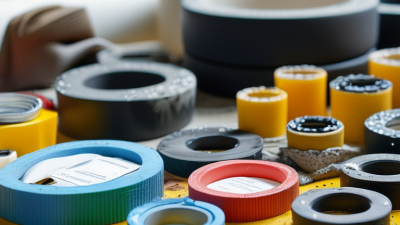
Rubber parts play such a crucial role in manufacturing around the world, helping out with sealing, dampening vibrations, moving fluids, and protecting against impacts. Honestly, their importance is often only noticed when something goes wrong—like a gasket starts leaking, a mount cracks, or a hose becomes less flexible. Come 2026, sourcing teams won't just be hunting for the lowest price anymore. They'll need consistent quality—reliable materials, repeatable molding processes, precise dimensions, and thorough documentation to back it all up. In this guide, we’ll take a look at the main types of rubber parts used across different industries—auto, industrial, construction, medical, and everyday consumer stuff. We'll cover rubber seals, O-rings, grommets, bushings, mounts, hoses, diaphragms, rollers, and custom-molded parts. Each one is designed for a specific purpose. For example, silicone handles high heat and is great for hygiene; EPDM is excellent against weathering; nitrile is often used where oil exposure is a concern. But really, choosing the right material depends on factors like temperature, pressure, chemicals involved, and how long you need it to last. Details matter a lot here. A trustworthy supplier should be upfront about what’s in their compounds, their hardness tolerances, who owns the tooling, their inspection processes, and how they trace batches. And of course, always ask for samples before going all-in on large orders. Sure, a supplier’s catalog might look impressive—lots of products and broad searches might tell you they’re big players—but that doesn’t mean their parts actually perform to standard. Testing is still a must. Even seasoned teams sometimes overlook things like how parts are packaged, stored, or how they behave under compression—those small weaknesses can cause big issues later. To minimize risk, it’s smart to conduct factory audits, inspect the first articles, and do realistic testing in conditions similar to real-world use. This guide offers a practical approach to comparing different rubber parts suppliers and picking components that will deliver consistent performance across global supply chains. Remember, supplier claims can change, but solid evidence and thorough testing should always guide your decision.
Read more »
Isabelle By:Isabelle - September 19, 2026
2026 Top Types of Sky Rubber for Global Buyers

2026 Top Types of Sky Rubber for Global Buyers

Picking the right Sky Rubber material in 2026 isn't just about flipping through price lists and making quick decisions. It really comes down to having solid proof—testing, practical experience, and understanding how different rubbers behave in real-world conditions. Think of this guide as your go-to for the top types of rubber used in seals, gaskets, hoses, rollers, and protective parts. Each one reacts differently depending on heat, pressure, oils, sunlight, or constant movement, so it’s not a one-size-fits-all situation. Natural rubber, for example, is great for elasticity and tear resistance, but if you need something that can handle tough outdoor environments, EPDM is usually the way to go—it's pretty resilient against weather, ozone, and water. Nitrile rubber is awesome for oil-resistant seals, while silicone rubber shines in applications that demand a wide temperature range or contact in clean environments. Neoprene is reliable for flexible parts exposed to the elements or mild chemicals, and thermoplastic rubber might help simplify processing or recycling in certain designs. Honestly, there’s no single rubber that fits every job perfectly—testing and experience are key. When it comes to sourcing, it’s more than just asking for a material’s name. Buyers should request detailed technical data sheets, safety info, batch records, and test reports. It's all about confirming specs like hardness, tensile strength, elongation, compression set, and temperature limits. And don’t forget—testing samples in real-world conditions is crucial. A gasket near a hot engine might age faster than the catalog says, or a seal outside in winter could crack sooner than expected. Those small things? They really matter. This overview of Rubber And Rubber Products also touches on manufacturing consistency, packaging, traceability, and good communication with your suppliers. Standards can vary depending on where you're shipping or what the end use is, so double-checking everything is vital. Keep in mind, some recommendations might change as we get more testing data—that’s just part of the process. It’s not a flaw, it’s a sign we’re improving. Making good choices depends on proven performance, honest documentation, and transparent conversations.
Read more »
Clara By:Clara - September 15, 2026
China Top 10 Food Grade Silicone Products Manufacturers

China Top 10 Food Grade Silicone Products Manufacturers

China has really become a go-to hub for sourcing Food Grade Silicone Products. These are used all over—kitchens, homes, healthcare providers, and food processing companies alike. In this guide, we profile ten manufacturers, but we’re not just talking marketing fluff here. We take a close look at their actual production practices. You’ll find products like silicone baking molds, spatulas, storage bags, baby-feeding gear, seals, and even customized parts. When it comes to quality, it all starts with the materials. A trustworthy manufacturer should be upfront about silicone grades, how well it resists heat, whether it has any unwanted smells, and how consistent their production is. They should also share how they test their products and manage quality overall. Experience in the factory matters too—knowing about mold design, compression and liquid silicone molding, plus clean packaging—all these things help cut down on avoidable defects. Don’t just rely on pictures or catalogs—order samples! Look for smooth surfaces, neat edges, good flexibility, stable color, and packaging that keeps things protected. Certifications are important, but don’t take them at face value. Check who issued them, when the tests happened, and whether they cover the actual product you’re after. Factory audits, traceable batch records, and quick, responsive communication give you a clearer picture of a supplier’s reliability. When making your final call, consider things like manufacturing capacity, how well they support customization, delivery speed, their export experience, and after-sales service. Don’t just judge based on how big or popular they seem online. Of course, no evaluation is perfect. Regulations and info can change, and one sample might not represent what you’ll get across the board. It’s a good idea to request current samples, technical specs, and independent testing when needed. The ten companies discussed here are a solid starting point for comparison, but always do your homework before making any serious, long-term purchases.
Read more »
Isabelle By:Isabelle - September 11, 2026
China Top 10 Automotive Rubber Parts Manufacturers

China Top 10 Automotive Rubber Parts Manufacturers

China’s automotive supply chain is moving at a pretty fast clip these days, and let’s be honest — rubber components are often overlooked. Yet, they’re pretty much everywhere: inside engine mounts, suspension bushes, door seals, hoses, gaskets, and vibration control systems. These tiny parts face all sorts of tough conditions—heat, oil, ozone, road salt, and constant movement. It might seem small, but even a tiny failure can lead to loud noises, water leaks, or serious maintenance headaches. In 2024, the China Association of Automobile Manufacturers reported that the country produced about 31.28 million vehicles and sold roughly 31.44 million units. Meanwhile, the International Energy Agency noted that over eight million electric cars were sold in China during 2023. These numbers really highlight why the demand for reliable automotive rubber parts is only growing. Sure, electric vehicles don’t have as many engine components, but they still need things like sealing systems, battery protection, thermal hoses, and noise reduction materials. The market’s definitely shifting. In this guide, we take a closer look at China’s top ten automotive rubber parts manufacturers, judging them based on practical factors like material innovation, mold precision, testing ability, scale of production, export experience, and customer support. Companies like Freudenberg Sealing Technologies China, Hutchinson China, Ningbo Tuopu Group, Anhui Zhongding Sealing Parts, and Changchun Faway Automobile Components are all in the mix, each with their own strengths. Just a heads-up — rankings aren’t set in stone. Public info can be patchy, and a manufacturer’s factory capabilities might differ from one site to another. Professor James Busfield, a well-known rubber technology expert, points out that “rubber performance heavily depends on formulation and how it’s used in real-world conditions.” That’s a pretty important reminder—what looks good on paper or in a sample might not hold up in the heat or over time. Buyers shouldn’t just rely on glossy brochures; it’s crucial to check test reports, traceability of the compounds, and how products perform in actual deliveries. Yeah, that phrase “Quality Automotive Parts Parts” is kinda clunky, but the point is: quality shouldn’t be taken lightly. That’s definitely something worth thinking about.
Read more »
Isabelle By:Isabelle - September 6, 2026